Pre-winter roof preparation in Chicagoland helps homeowners protect their roofs from snow, ice, and freezing temperatures. Across Chicago, Arlington Heights, and Northwest Indiana, small roofing problems can become costly winter repairs. Preparing early helps prevent damage and provides peace of mind.
Knowing how to prepare your roof for winter starts with checking shingles, gutters, flashing, and attic insulation. A professional inspection and timely maintenance can help keep your home protected throughout the colder months.
Key Takeaways
- Inspect visible roofing materials before snowfall to identify damage that could allow moisture inside.
- Keep drainage pathways clear so melting snow can move away from vulnerable roof edges.
- Address attic heat loss and ventilation concerns to reduce conditions that encourage ice dams.
- Schedule necessary repairs before freezing weather makes roofing work more difficult and unpredictable.
How to Protect Your Chicagoland Roof From Winter Damage
Winter protection begins with addressing the conditions that make roofing systems vulnerable to moisture, ice, and temperature changes. Homeowners throughout Chicagoland and Northwest Indiana should focus on preventive improvements rather than waiting for visible leaks.
These five strategies explain how individual parts of the roofing system contribute to reliable cold-weather performance.
Improve Attic Insulation to Limit Uneven Roof Temperatures
Heat escaping through an underinsulated attic can warm roof surfaces, melt accumulated snow, and contribute to ice formation near colder eaves. Consider improving attic insulation to reduce ice dam risks while addressing air leaks that allow conditioned indoor air to reach the attic. This approach supports preventing ice dams on roofs because more consistent roof temperatures can reduce repeated melting and refreezing.
The U.S. Department of Energy’s attic insulation guidance explains how proper insulation supports energy efficiency and temperature control. Homeowners can use this information to understand why attic improvements matter before winter.
Maintain Proper Attic Ventilation for Moisture Control
Blocked soffit vents or inadequate airflow can allow excess heat and moisture to accumulate beneath a roof during winter. Have a qualified professional evaluate the existing ventilation system and check whether insulation obstructs intended airflow pathways.
Properly designed ventilation helps manage attic conditions and supports the performance of insulation, roof decking, and other roofing components.
Protect Roof Edges Against Ice and Water Intrusion
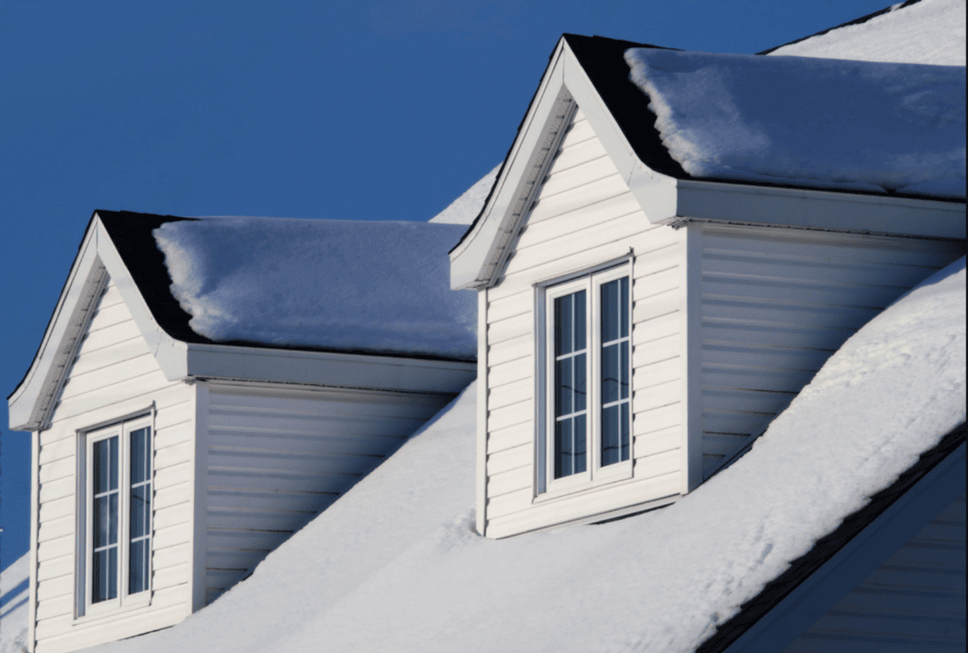
Roof edges are especially vulnerable when melting snow refreezes and traps water behind accumulating ice. During roof repairs or replacement planning, ask a qualified contractor to assess whether appropriate ice and water protection is installed. Protective underlayment can help limit water intrusion at vulnerable areas, although it cannot eliminate the underlying causes of ice dams.
The National Weather Service’s ice dam guidance explains how ice dams form and why they can cause water damage. Understanding these risks helps homeowners recognize when professional attention may be needed.
Address Overhanging Branches Before Winter Storms
Tree branches extending over a roof can break under snow or ice, damaging shingles, gutters, or other exterior components. Arrange for appropriate trimming by a qualified tree professional before winter weather increases the risk of falling limbs.
Maintaining reasonable clearance also makes it easier to observe the roof and identify potential storm damage from the ground.
Plan for Safe Snow Management During Heavy Accumulation
Heavy or uneven snow accumulation can create concerns, particularly when an existing roof has structural weaknesses or recurring ice dams. Avoid climbing onto a snowy roof, striking ice with tools, or attempting aggressive removal that could damage roofing materials.
When snow loads or ice buildup become concerning, consult an experienced professional who can evaluate the conditions and recommend safe next steps.
Essential Roof Inspection and Maintenance Steps Before Winter Arrives
A practical winter roof maintenance checklist helps homeowners identify issues before snow and ice make them harder to inspect. In communities such as Crete, Crown Point, and Arlington Heights, autumn provides an opportunity to review the roof after summer storms.
The following five steps address common maintenance priorities without requiring homeowners to perform dangerous rooftop work.
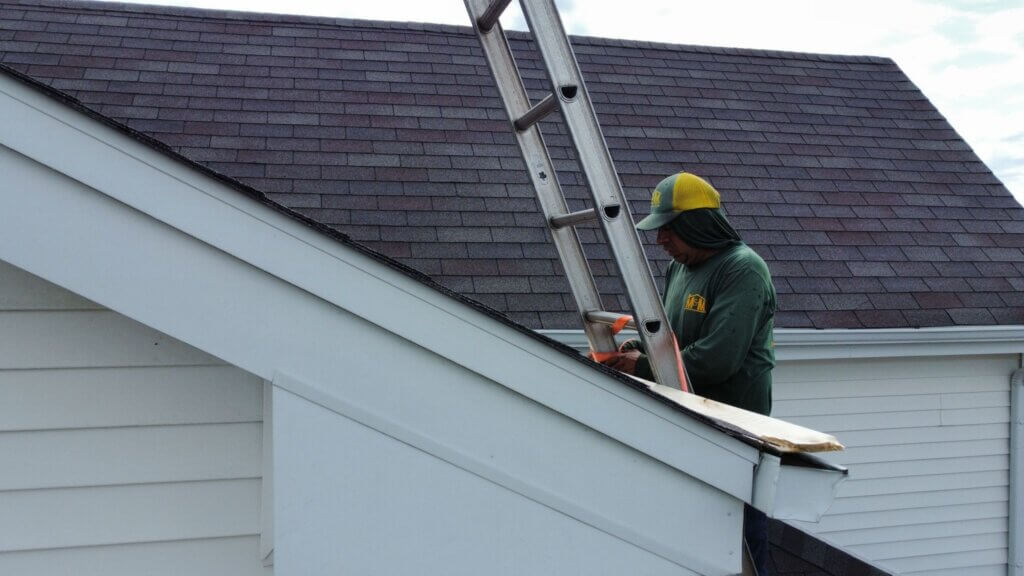
Schedule a Professional Inspection Before the First Snowfall
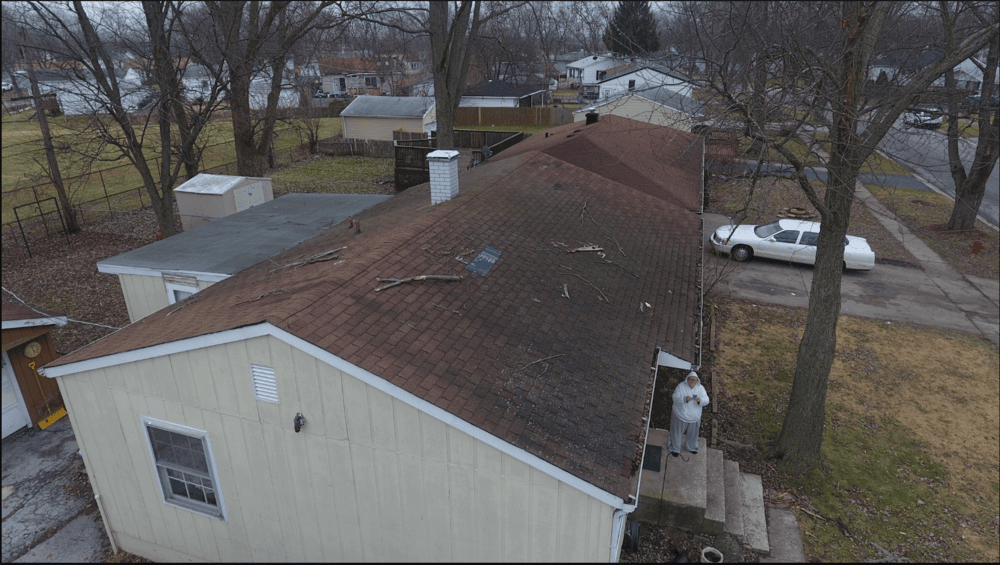
Hidden deterioration around flashing, roof penetrations, and aging materials may go unnoticed until winter precipitation exposes an existing weakness. Scheduling a professional roof inspection before winter allows a contractor to assess these areas and explain any recommended maintenance.
A roof inspection before snowfall also provides time to prioritize necessary work before freezing conditions complicate access and repairs.
Repair Loose or Missing Shingles Before Freezing Weather
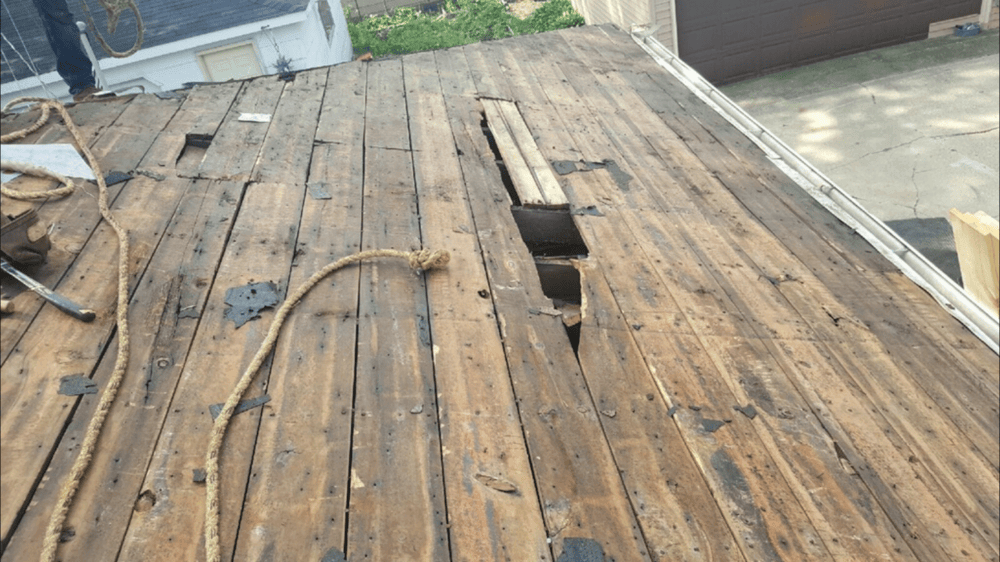
Curling, cracked, displaced, or missing shingles are among the visible signs of roof damage before winter that deserve attention. Promptly repairing damaged or missing shingles helps restore vulnerable areas before wind-driven snow and melting ice reach exposed surfaces.
Protecting shingles from freezing temperatures also involves addressing existing damage rather than relying on cold weather to conceal it.
Clean Gutters and Check Downspout Drainage
Leaves, twigs, and other debris can obstruct gutters, allowing meltwater to collect where roof edges are vulnerable to freezing. Prioritize keeping gutters and downspouts working properly through appropriate cleaning, secure attachments, and drainage checks before sustained freezing weather.
Gutter cleaning before winter supports better water movement, although clear gutters alone cannot prevent every ice dam.
Examine Flashing Around Chimneys and Roof Penetrations
Loose, corroded, or separated flashing can create openings where water enters around chimneys, plumbing vents, and other roof penetrations. Ask a roofing professional to examine these transitions and recommend repairs when sealants, fasteners, or flashing components show deterioration.
Addressing these connections before winter reduces the chance that melting snow will exploit existing gaps in the roofing system.
Check the Attic for Early Signs of Moisture
Water stains, damp insulation, musty odors, or discoloration beneath roof decking may indicate moisture problems requiring further investigation. From a safely accessible attic area, look for visible changes and document concerns without disturbing electrical components or unstable surfaces.
Report suspected leaks or condensation to a qualified professional so the underlying cause can be identified before winter conditions worsen.
Prepare Your Roof for Winter With M&M Home Remodeling Services
Winter weather can turn minor roofing issues into costly repairs. Since 1976, M&M Home Remodeling Services has helped Chicagoland and Northwest Indiana homeowners protect their homes with reliable roofing solutions.
Request a free estimate to prepare your roof before winter arrives.
As an Owens Corning Platinum Preferred Contractor and GAF Master Elite Contractor, M&M delivers quality workmanship and dependable service. Our team helps you make informed roofing decisions with confidence and peace of mind.
Frequently Asked Questions
When should homeowners schedule roof maintenance before winter?
Early autumn is a practical time to arrange inspections and maintenance before freezing temperatures and significant snowfall arrive. Scheduling ahead also provides more flexibility for completing recommended repairs and addressing unexpected roofing concerns.
What are the most common signs of roof damage before winter?
Look for missing or curling shingles, damaged flashing, granules collecting near downspouts, and visible roofline changes. Interior water stains or damp attic insulation may also indicate problems that require professional evaluation.
Can clogged gutters cause roof problems during winter?
Yes, blocked gutters can interfere with drainage and contribute to water accumulation near roof edges. However, ice dams are also influenced by attic heat loss, insulation, ventilation, and changing outdoor temperatures.
Is it safe to inspect or remove snow from my roof myself?
Homeowners can check many visible conditions safely from the ground, but climbing onto a roof creates significant fall risks. For suspected damage, substantial snow accumulation, or ice buildup, consult a qualified professional.