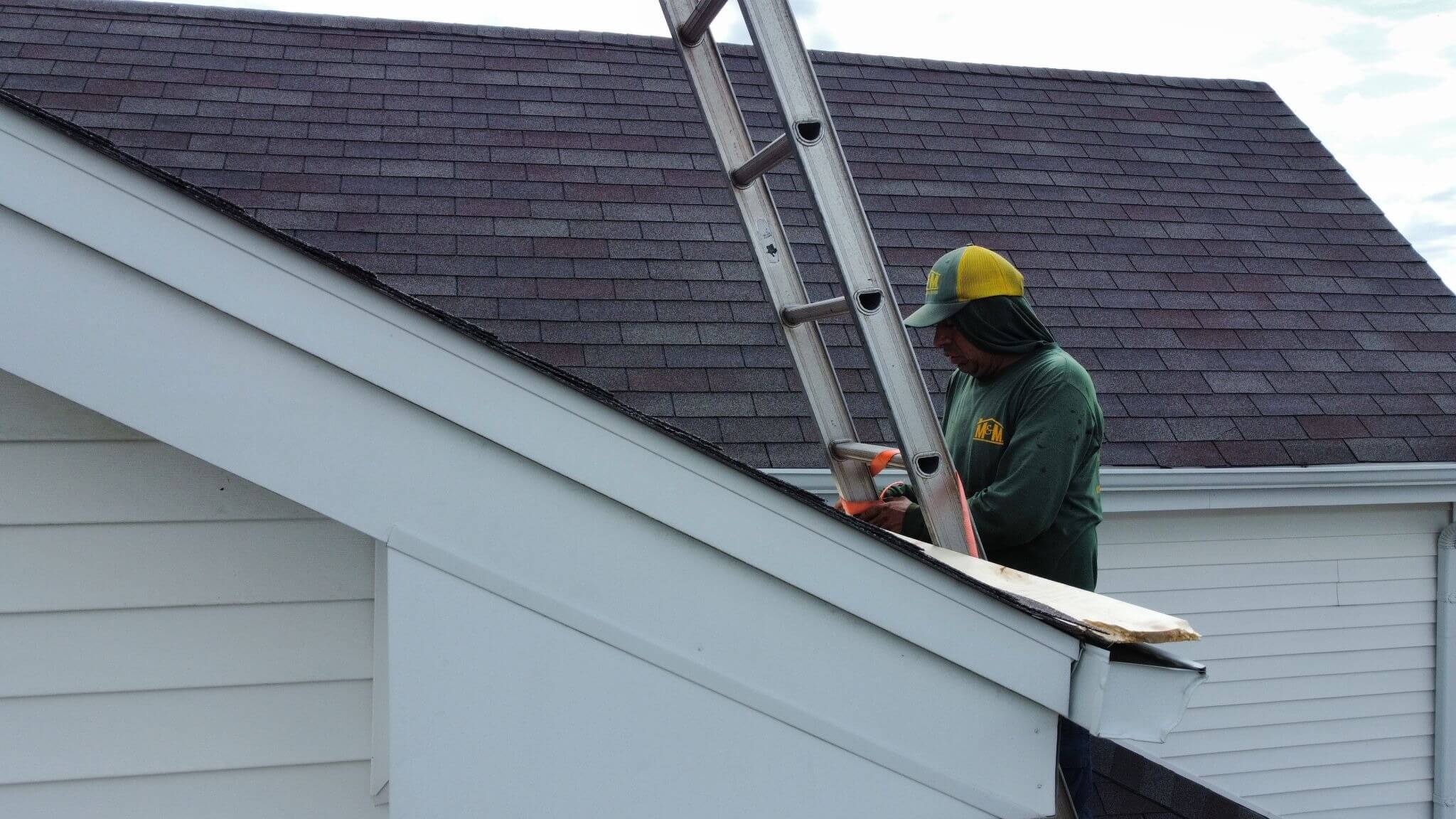
Learning how to extend the life of your roof in Chicagoland starts with understanding what Midwest weather can do over time. Strong winds, hail, heavy rain, snow, ice, and temperature swings can gradually weaken roofing materials. Small problems that remain unnoticed may eventually allow moisture to reach vulnerable areas beneath the roof surface.
Homeowners can reduce those risks through consistent care instead of waiting for obvious leaks or major exterior damage. Effective roof maintenance tips for Midwest homes focus on controlling moisture, identifying damage early, and keeping drainage systems working properly.
These habits are especially valuable across Chicagoland and Northwest Indiana, where roofing systems experience changing conditions throughout the year.
Key Takeaways
- Regular inspections can uncover small roofing problems before moisture damage becomes more difficult to control.
- Clean drainage systems help move rainwater and melting snow safely away from vulnerable roofing areas.
- Seasonal maintenance prepares roofing materials for changing temperatures, storms, snow, ice, and strong winds.
- Prompt repairs can protect surrounding materials when shingles or other roof components become damaged.
Protect Your Roof From Chicagoland’s Harsh Weather
Protecting a roof from severe weather requires attention throughout the year, not only after a major storm. Chicagoland and Northwest Indiana roofs experience conditions that can expose weak materials and drainage problems.
A practical protection plan focuses on the weather-related issues most likely to affect long-term performance.
Inspect Your Roof After Severe Storms
High winds and hail can loosen, crack, or displace roofing materials without immediately causing an indoor leak. Homeowners can have their roof professionally inspected after severe weather so less-visible storm damage can be identified.
Finding those conditions early matters because damaged roofing components may become more vulnerable during the next period of heavy rain or wind.
Keep Gutters Clear to Control Roof Drainage
Leaves and other debris can restrict gutters, causing rainwater or melting snow to drain poorly around roof edges. Regular gutter cleaning keeps drainage paths open and helps move water away from roofing components and the home’s exterior. This matters because repeated moisture exposure can place unnecessary stress on roof edges, fascia, and nearby building materials.
Prevent Snow and Ice From Creating Roof Problems
Winter conditions can leave snow and ice on Chicagoland and Northwest Indiana roofs for extended periods. Good attic insulation, ventilation, drainage, and seasonal roof maintenance can help limit conditions that contribute to uneven melting and moisture problems.
These measures matter because repeated freezing and thawing can expose existing roof weaknesses during a demanding part of the year.
Protect Roofing Materials From Seasonal Temperature Swings
Roofing materials repeatedly expand and contract as temperatures change between hot summers, cold winters, and unpredictable shoulder seasons. Routine preventative roof maintenance helps identify cracking, loosened materials, sealant deterioration, and other conditions that develop gradually.
Early attention matters because repeated seasonal movement can turn a minor weakness into a larger path for moisture.
Address Small Damage Before It Spreads
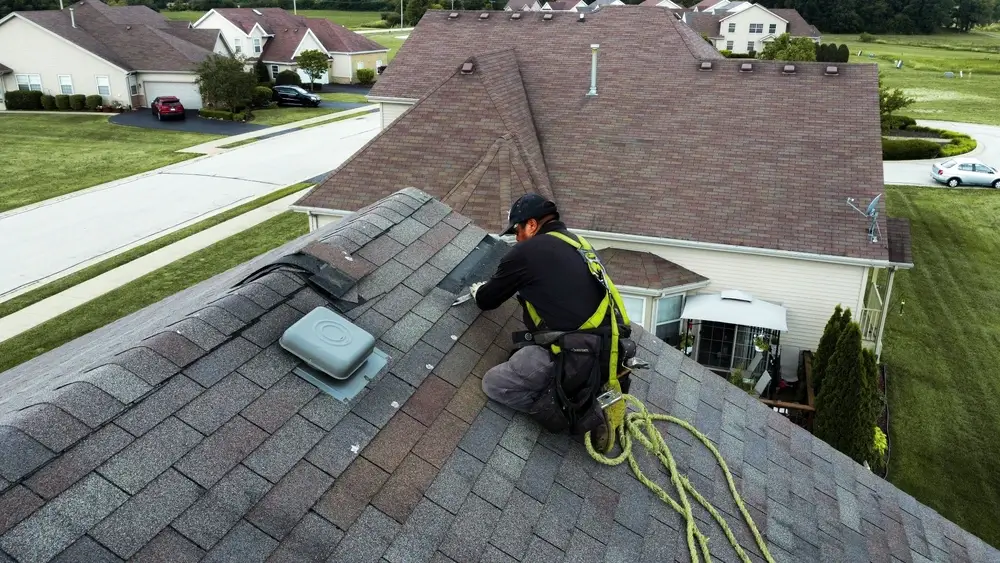
A missing or damaged shingle may appear isolated, but exposed areas can become vulnerable during rain, snow, or another wind event. Addressing minor roof damage before it spreads can restore protection before surrounding roofing components are affected. Prompt attention supports preventing premature roof damage because localized problems are easier to contain before moisture reaches a wider area.
Prioritize Inspections and Maintenance Before Damage Worsens
Roof problems often develop gradually before homeowners notice water stains, missing materials, or other obvious warning signs. Consistent roof inspection and maintenance provide opportunities to identify vulnerable areas while problems remain more manageable. The following practices focus on recognizing changes early and responding according to the roof’s actual condition.
Schedule Seasonal Roof Checkups
Months of wind, precipitation, falling debris, and temperature changes can alter a roof’s condition between seasons. Regular checkups help identify visible wear around shingles, flashing, penetrations, drainage areas, and other exposed components.
This matters because spring and fall assessments can reveal problems before severe summer storms or Northwest Indiana winter conditions add further stress.
Watch for Early Signs Your Roof Needs Maintenance
Loose or missing shingles, damaged flashing, recurring gutter debris, water staining, and visible roof wear can indicate developing problems. Homeowners should treat these conditions as signs your roof needs maintenance and determine what is causing the change.
Early identification matters because visible symptoms may point to an issue that becomes more disruptive after additional rain, snow, or wind.
Repair Minor Roofing Problems Promptly
Small roofing defects can allow repeated moisture exposure even when water is not yet visible inside the home. Timely repairs can restore affected areas and help prevent a localized problem from involving nearby roofing materials. This matters because delaying a manageable repair gives Chicagoland’s changing weather more opportunities to worsen an existing weakness.
Use Preventative Maintenance to Support Long-Term Performance
Roofing systems can develop gradual wear even when no single storm causes obvious damage. Preventative roof maintenance for long-term performance focuses attention on developing issues before they become larger concerns.
This approach matters because preventative roof maintenance can support consistent performance through repeated seasonal changes around communities such as Crete, Arlington Heights, and Crown Point.
Know When Roof Replacement Becomes Necessary
Maintenance and repairs cannot indefinitely restore roofing materials that have experienced extensive deterioration or reached the end of their useful service life. In those situations, replacing a roof that has reached the end of its lifespan addresses the system as a whole.
Proper roof installation for lasting weather protection then establishes the foundation needed for the new roofing system to perform through future Midwest weather.
Schedule a Professional Roof Inspection Before Minor Damage Spreads
Knowing how to make a roof last longer means responding to changing conditions before manageable roofing concerns become larger problems. M&M Home Remodeling Services provides roofing inspection, maintenance, repair, installation, and replacement services for homeowners across its Midwest service area.
Request a free estimate to discuss your roof’s current condition and the appropriate next step. A professional assessment can provide clearer information about whether maintenance, repair, or a larger roofing project is appropriate.
Frequently Asked Questions
How often should a roof be inspected in Chicagoland?
Regular inspections are useful because Chicagoland roofs experience wind, hail, snow, rain, and significant seasonal temperature changes. An additional inspection after severe weather can help identify damage that may not be obvious from ground level.
What are common signs that a roof needs maintenance?
Missing or damaged shingles, deteriorated flashing, unusual gutter debris, water staining, and visible exterior wear can signal a developing concern. Changes noticed after storms or winter weather also deserve attention before another season adds stress.
Can preventative maintenance actually help a roof last longer?
Preventative maintenance can identify developing problems before they affect larger portions of the roofing system. Keeping drainage clear and addressing damaged components promptly can reduce unnecessary exposure to moisture and repeated Midwest weather.
When should homeowners consider roof replacement instead of another repair?
Replacement may become appropriate when deterioration is widespread, roofing materials have reached the end of their service life, or recurring problems affect multiple areas. A professional inspection can help clarify the roof’s condition and available options.