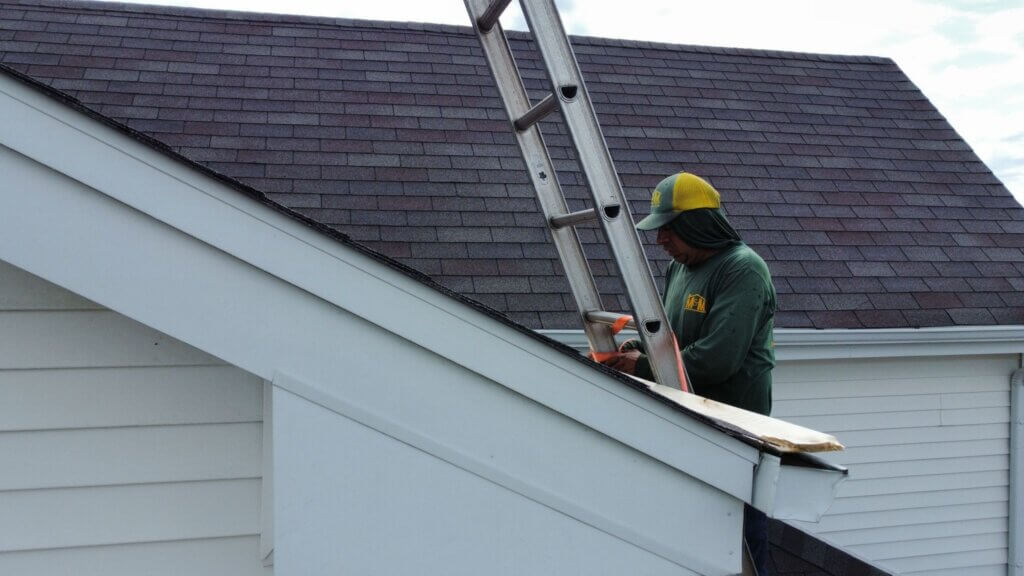
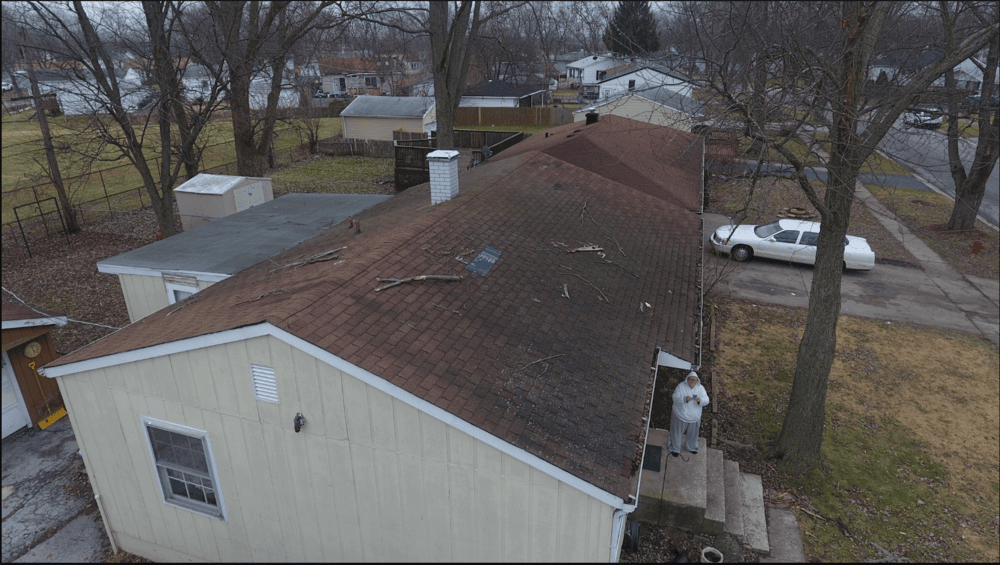
Fall leaves and roof damage in Chicagoland can become a serious concern as autumn rain gives way to freezing temperatures. Fallen leaves collect in roof valleys, around flashing, and inside gutters, where they can trap moisture and restrict drainage. When these conditions go unnoticed, existing roofing weaknesses may develop into leaks or winter damage.
Homeowners can reduce these risks by removing accumulated debris, keeping gutters clear, and addressing damaged roofing materials before winter. Regular maintenance helps water drain properly and makes potential problems easier to identify.
Key Takeaways
- Wet leaves can trap moisture against shingles and contribute to deterioration around vulnerable roofing areas.
- Roof debris buildup can obstruct drainage and conceal damaged shingles, flashing, and other roofing components.
- Clogged gutters can contribute to water backup, ice formation, and moisture problems near roof edges.
- Fall inspections and timely maintenance help prepare roofing systems for harsh Chicagoland winter conditions.
How Fall Debris Traps Moisture and Causes Winter Roof Damage
Fallen leaves and organic debris can affect how rainwater drains from a roof, especially when material accumulates in valleys and around roof edges. During Chicagoland’s wet fall season, these obstructions can keep roofing materials damp longer than usual.
As temperatures drop, trapped moisture and restricted drainage can contribute to roofing problems that become more noticeable during winter.
Fallen Leaves Trap Moisture Against Roof Shingles
Fallen leaves can form dense, damp layers that hold rainwater against roof shingles long after surrounding surfaces have dried. Shaded roof sections and valleys are particularly vulnerable because moisture may evaporate more slowly in these areas.
Prolonged moisture exposure can worsen existing roofing weaknesses and create conditions that encourage moss or algae growth.
Wet Leaves Can Accelerate Shingle Deterioration
Wet leaves on roof shingles can keep vulnerable surfaces damp through repeated periods of rain and changing temperatures. Shingles with existing cracks, lifted edges, or deteriorating protective surfaces may be more susceptible to moisture-related damage.
This helps explain how leaves damage roof shingles over time, particularly when debris remains in place throughout the fall season.
Roof Debris Buildup Restricts Water Drainage
Roof debris buildup often occurs in valleys, behind chimneys, and around other roof features where leaves and twigs naturally collect. These obstructions can slow rainwater movement and cause moisture to remain near flashing, shingle overlaps, and drainage paths.
Repeated exposure can aggravate existing defects and increase the likelihood of water reaching vulnerable areas beneath the roofing surface.
Clogged Gutters Increase the Risk of Roof Leaks
Leaves and twigs can fill gutters and downspouts, preventing rainwater and melting snow from draining properly. When water accumulates near roof edges, it may contribute to moisture problems around fascia, soffits, and vulnerable roofing components.
The relationship between clogged gutters and roof leaks becomes particularly concerning during winter when ice can restrict drainage further.
Trapped Moisture Contributes to Winter Ice Damage
Moisture remaining around roof edges and drainage obstructions can freeze as temperatures drop across Chicagoland and Northwest Indiana. Repeated freezing and thawing may worsen existing gaps or damage around roofing materials, while backed-up meltwater can contribute to leaks.
These conditions become more concerning during prolonged cold weather, especially when ice dams prevent melting snow from draining off the roof.
Fall Roof Maintenance Priorities Before Chicagoland Winter Weather Arrives
Fall roof maintenance helps homeowners identify moisture problems and damaged materials before snow and ice make exterior work more difficult. Properties in Chicago, Arlington Heights, Crete, and Crown Point may experience recurring leaf accumulation, especially around mature trees.
A practical maintenance plan focuses on safe debris removal, reliable drainage, and timely attention to vulnerable roofing components.
Remove Accumulated Leaves and Debris From Roof Surfaces
Leaves and branches can collect in roof valleys, around chimneys, and near other features that interrupt normal water flow. Safe debris removal helps keep these areas clear without unnecessary damage to shingles or surrounding materials.
This matters because unobstructed drainage reduces prolonged moisture exposure and makes potential roofing problems easier to identify.
Inspect Shingles for Hidden Damage Before Winter
Cracked shingles, displaced materials, and deteriorating flashing may remain unnoticed beneath accumulated leaves and debris. Scheduling a professional inspection focused on identifying hidden roof damage before winter helps uncover vulnerable areas before snowfall.
Early identification matters because damaged roofing components may allow moisture intrusion during the next period of heavy rain or melting snow.
Clear Gutters and Downspouts to Restore Drainage
Leaves accumulating inside gutters can restrict water movement and cause overflow during autumn storms. Regular cleaning and protecting gutters from falling leaves and debris help maintain reliable drainage throughout the season.
This matters because water backing up near roof edges can increase moisture exposure and contribute to freezing problems during winter.
Evaluate Gutter Conditions Before Freezing Temperatures
Damaged, sagging, or improperly pitched gutters may continue causing drainage problems even after accumulated leaves are removed. Homeowners should consider upgrading gutters to prevent water damage when existing components cannot move water away effectively.
Proper gutter performance matters because uncontrolled runoff can affect roof edges, fascia, siding, and areas around the home’s foundation.
Address Existing Roof Leaks Before Winter Weather
Small roof leaks may become more noticeable when snow accumulation and repeated freezing expose existing weaknesses. Promptly repairing leaks caused by trapped moisture helps restore affected areas before additional weather increases the damage.
This matters because timely repairs can limit further moisture intrusion and protect surrounding roofing and interior materials.
Prepare Your Roof for Winter With M&M Home Remodeling Services
Preventing fall debris from contributing to winter roof damage starts with identifying drainage problems and addressing vulnerable roofing materials. M&M Home Remodeling Services has served Midwest homeowners since 1976, providing roofing and gutter services throughout Chicagoland and Northwest Indiana.
Request a free estimate to discuss your roof’s condition and prepare for the colder months ahead. With a focus on craftsmanship, clear communication, and long-term peace of mind, M&M helps homeowners make informed decisions about protecting their homes.
Frequently Asked Questions
Can fallen leaves cause roof leaks during winter?
Fallen leaves can trap moisture and obstruct drainage around roof valleys, flashing, and gutters. When water reaches damaged roofing materials, existing weaknesses may develop into leaks during freezing weather, heavy rain, or snowmelt.
How often should homeowners remove leaves from their roofs?
Homeowners should check for leaf accumulation throughout fall, especially after heavy leaf drop or storms. Properties surrounded by mature trees may require more frequent attention to prevent debris from restricting roof drainage.
Can clogged gutters damage roof shingles?
Clogged gutters can contribute to water backup near roof edges, particularly when freezing temperatures create ice buildup. Trapped water may reach vulnerable shingle edges or surrounding materials and increase the risk of moisture damage.
Should homeowners schedule a roof inspection before winter?
A fall roof inspection can identify damaged shingles, vulnerable flashing, and drainage problems before snow and ice arrive. Professional evaluation is especially useful after severe storms or when homeowners notice water stains or visible roofing damage.