Small exterior problems can become serious concerns when Chicagoland’s winter weather arrives. Missing shingles, cracked siding, damaged windows, and overflowing gutters may expose vulnerable materials to rain, snow, and freezing temperatures. When these warning signs go unnoticed, moisture can reach areas that are difficult to inspect or repair during winter.
Homeowners can reduce these risks by recognizing early damage and addressing vulnerable areas before temperatures drop. A seasonal inspection helps identify problems with roofing, siding, windows, gutters, and exterior finishes.
These precautions are especially important across Chicagoland and Northwest Indiana, where repeated freezing and thawing can worsen existing exterior damage.
Key Takeaways
- Missing shingles and damaged flashing can expose vulnerable roof areas to rain, snow, and melting ice.
- Cracked siding and deteriorating paint may indicate openings where moisture can reach underlying exterior materials.
- Damaged windows and blocked gutters can contribute to water intrusion during harsh winter weather.
- Pre-winter inspections help homeowners identify exterior weaknesses before freezing temperatures make repairs more difficult.
Warning Signs of Exterior Damage That Chicagoland Homeowners Shouldn’t Ignore
Recognizing signs of exterior home damage before winter helps homeowners identify problems that may worsen during freezing weather. Roofing, siding, windows, and drainage systems can develop visible defects long before interior damage becomes noticeable. These warning signs deserve attention because Chicagoland’s winter conditions can expose existing weaknesses to additional moisture and temperature changes.
Missing Roof Shingles That Allow Water Intrusion
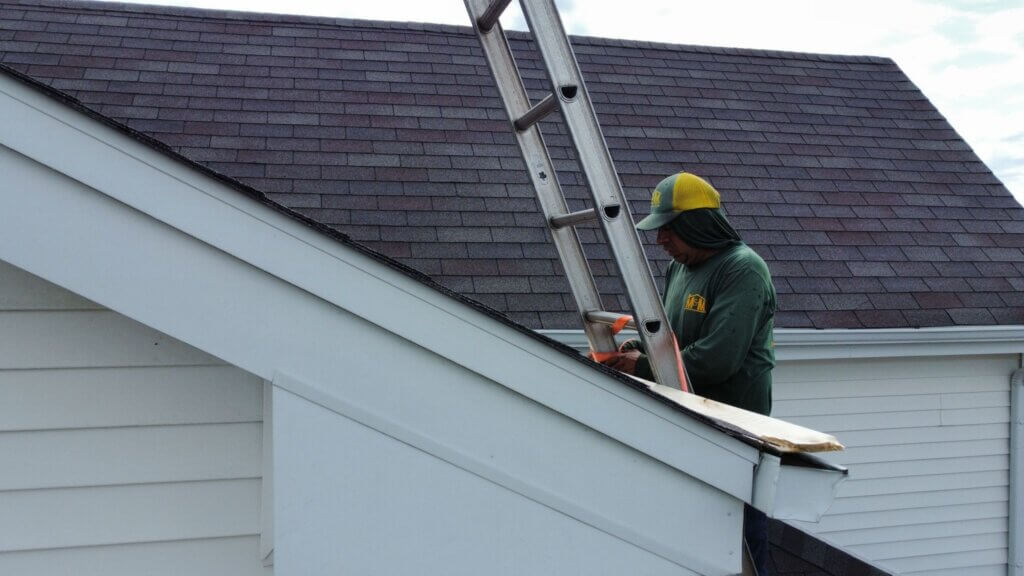
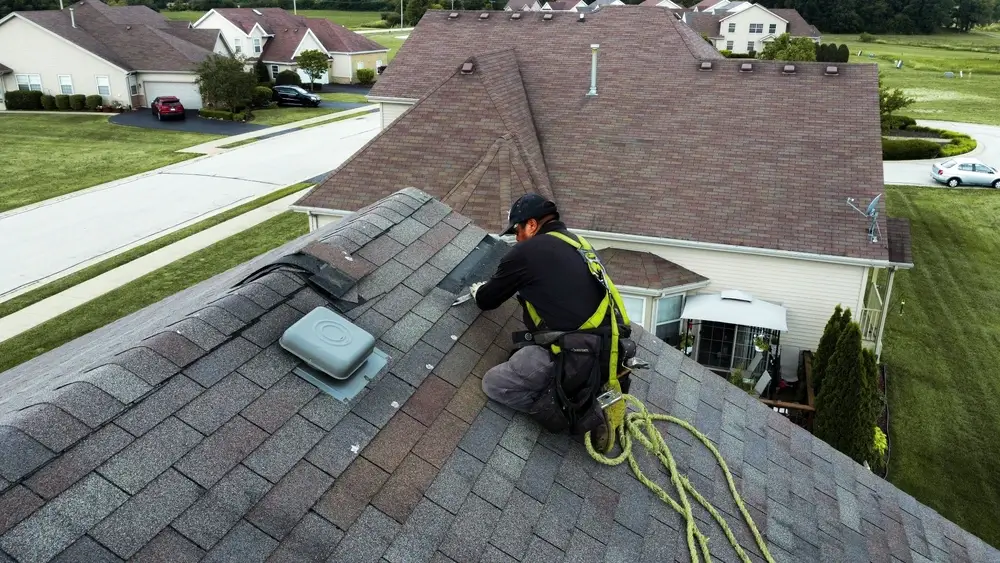
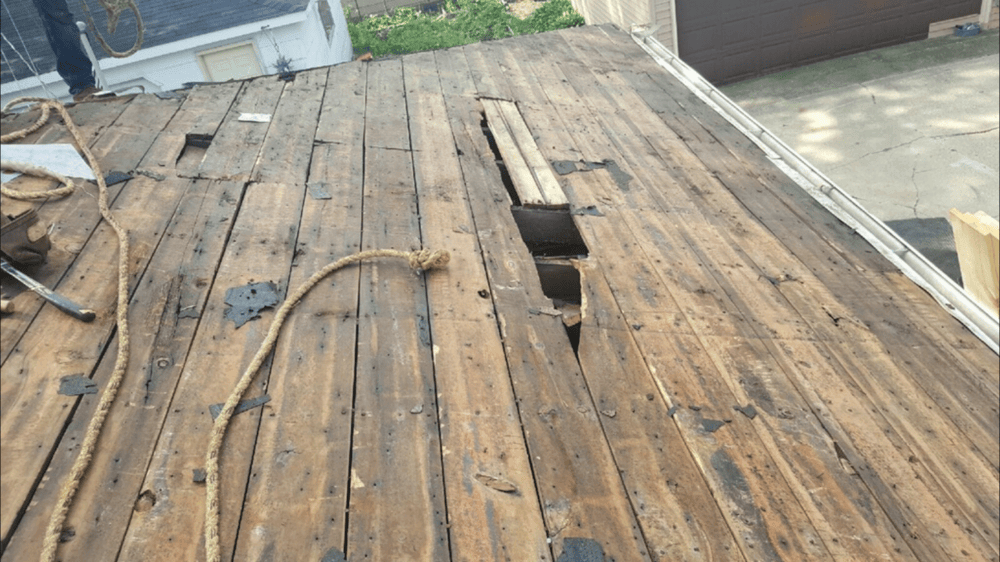
Strong winds and storms can loosen or remove shingles, exposing areas that depend on overlapping roofing materials for protection. Missing roof shingles and water leaks are closely connected when rain or melting snow reaches vulnerable roof components. These openings matter because repeated moisture exposure can damage roof decking and other materials beneath the shingles.
Cracked Siding That Exposes Underlying Materials to Moisture
Cracked, loose, or separated siding can create openings where wind-driven rain and melting snow reach vulnerable exterior layers. These defects may become more concerning when freezing temperatures cause moisture to expand within existing gaps. This matters because repeated moisture exposure can affect sheathing and other materials behind the siding.
Damaged Windows That Allow Drafts and Water Leaks
Cracked glass, deteriorating seals, and gaps around window frames can weaken protection against wind and moisture. Broken windows and water damage may occur together when precipitation reaches interior finishes or surrounding framing. These conditions matter because moisture intrusion can affect nearby walls, trim, and insulation during winter.
Peeling or Chipped Exterior Paint That Causes Moisture Problems
Peeling, blistering, or chipped paint can expose wood trim and other painted surfaces to moisture. The relationship between chipped paint and moisture damage becomes more concerning when water repeatedly reaches unprotected materials. This matters because persistent dampness can contribute to wood deterioration and further paint failure.
Overflowing Gutters That Damage Roof Edges and Exterior Surfaces
Leaves and debris can obstruct gutters, causing rainwater or melting snow to overflow instead of draining through downspouts. Water may then run across fascia, siding, and other exterior surfaces not intended for repeated concentrated runoff. These conditions matter because winter freezing can aggravate existing drainage problems and expose vulnerable materials to additional moisture.
Pre-Winter Inspection Priorities to Prevent Costly Home Exterior Repairs
An exterior home damage inspection helps identify developing problems before winter conditions make them more difficult to address. Homeowners in Arlington Heights, Crete, and Crown Point should pay attention to areas exposed to repeated storms and temperature changes. The following priorities focus on practical checks that support timely repairs and better winter preparation.
Inspect Roofing Materials for Damage Before Snowfall
Loose shingles, damaged flashing, and exposed roof areas can allow water intrusion during heavy rain or melting snow. A professional assessment focused on identifying hidden roof problems before winter can clarify which roofing components need attention. This matters because concealed defects may become more difficult to locate once snow and ice cover the roof.
Homeowners should arrange an inspection after significant storms or when visible roofing damage appears.
Check Siding and Exterior Finishes for Deterioration
Loose siding panels, damaged seams, and deteriorating exterior finishes may expose underlying materials to moisture. Examining these areas helps determine whether fixing cracked or deteriorating siding is necessary before freezing temperatures arrive. This matters because moisture entering exterior gaps can worsen existing damage through repeated seasonal weather changes.
Homeowners should also examine painted wood trim for peeling finishes, soft spots, or visible deterioration.
Examine Windows for Drafts, Gaps, and Water Intrusion
Damaged window seals, cracked glass, and deteriorating frames can allow drafts or moisture to enter the home. Checking these conditions helps determine whether sealing, localized repairs, or replacing drafty or damaged windows is appropriate. This matters because unresolved window problems can affect surrounding finishes and reduce indoor comfort during winter.
Look for water stains, condensation between glass panes, and noticeable air movement around closed windows.
Clear Gutters and Check Downspout Drainage
Leaves, twigs, and sediment can obstruct gutters and prevent rainwater from draining away from the home. Cleaning drainage channels and checking for preventing water damage from failing gutters can reveal damaged or improperly pitched components. This matters because uncontrolled runoff can affect fascia, siding, and foundation areas during autumn rain and winter thawing.
Check whether downspouts discharge water away from the foundation and whether gutters show visible sagging or separation.
Schedule a Professional Exterior Inspection for Hidden Damage
Exterior defects may remain unnoticed when damaged materials are located on upper walls, steep roof sections, or difficult-to-access areas. A professional inspection can evaluate roofing concerns and determine whether repairing missing or damaged roof shingles is necessary. This matters because identifying concealed problems early can help prevent further moisture exposure during winter storms.
Homeowners should avoid climbing icy roofs or using ladders during unsafe weather conditions.
Protect Your Home Before Winter With M&M Home Remodeling Services
Winter preparation starts with understanding which exterior problems need attention before freezing weather arrives. M&M Home Remodeling Services has served Midwest homeowners since 1976, providing roofing, siding, window, and gutter services across Chicagoland and Northwest Indiana. Addressing damaged exterior components can help protect surrounding materials and support long-term peace of mind.
Request a free estimate to discuss visible exterior damage and determine an appropriate next step. M&M focuses on craftsmanship, clear communication, and helping homeowners make informed decisions about their exterior remodeling needs.
Frequently Asked Questions
What are the most common signs of exterior home damage before winter?
Common warning signs include missing shingles, cracked siding, damaged window seals, peeling paint, and overflowing gutters. These conditions may expose vulnerable exterior materials to moisture, especially during repeated freezing and thawing.
When should homeowners schedule an exterior inspection?
Fall is a practical time to inspect exterior materials before prolonged freezing temperatures and snowfall. Additional inspections may be appropriate after severe storms or when homeowners notice leaks, damaged roofing materials, or unusual moisture.
Can small exterior problems become worse during winter?
Yes. Existing gaps, damaged materials, and drainage problems can allow moisture to reach vulnerable areas. Repeated freezing and thawing may aggravate certain defects, making timely identification and appropriate repairs especially important.
Should homeowners repair exterior damage before the first snowfall?
Addressing known exterior damage before snowfall can reduce exposure to winter moisture and freezing conditions. A professional assessment can help determine which issues require prompt repairs and which can be monitored safely.