Questions? Give Us  A Call (800) 930-2905.

labor day banner

Planning Your Roof Replacement: Timeline, Costs, and What to Expect

A roof replacement is a significant investment and a major decision for any homeowner. If your roof is aging, has been damaged by a storm, or is beyond repair, you need a clear plan for moving forward. This guide covers everything you need to know about preparing for a roof replacement project: how long it takes, what it costs, how to choose a contractor, financing options, and what to expect during the installation. With this information, you can plan with confidence and make the best decision for your home.

Why Preparation Matters Before a Roofing Project

Roofing involves heavy equipment, constant foot traffic on your roof, and repeated hammering or drilling. These activities generate vibrations that travel through your home’s walls and ceilings. While your house itself is structurally safe, unsecured items like mirrors, frames, and décor can shift, fall, or break.

Beyond protecting your belongings, preparation also makes the job easier for your roofing crew. A safe and clutter-free workspace allows them to work faster and with fewer interruptions.

Evaluating Whether Your Roof Needs Replacement

The first step in the replacement process is a professional inspection. If your roof is missing shingles, has visible damage, or is leaking, replacement might be the best option. If your roof is over 20 years old, it is likely near the end of its lifespan. Asphalt shingles typically last 15 to 25 years depending on climate and maintenance. If your roof is approaching or past this age, replacement is worth planning for even if damage is not yet visible. A professional roof inspection gives you a clear picture: repairs might extend the life of your roof for another 5 to 10 years, or replacement might be the more economical choice in the long run.

Girl remove a frame on a gray wall, sun light

Step 2: Prepare the Exterior of Your Home

Clear the Perimeter

Roofing crews need full access around your home. Move vehicles, bikes, grills, and patio furniture out of the driveway or away from the house. This prevents accidental damage and ensures trucks and dumpsters can get close enough to remove old roofing materials.

Protect Landscaping

Cover flower beds, shrubs, or outdoor décor with tarps. Roofing projects often involve falling debris, nails, or shingles, and protecting your landscaping will save time on cleanup later.

Secure Outdoor Items

Remove items like hanging plants, wind chimes, or decorations near the house. Just like indoors, vibrations and falling debris could cause them to break.

Step 3: Safety First – Family and Pets

Roofing projects can be noisy and disruptive. If possible:

  • Plan to be out of the house during the loudest work hours.
  • Keep pets safe by relocating them for the day or setting them up in a quiet interior room.
  • Talk to your children so they understand to avoid going outside near the work area.

Adorable Jack russell terrier puppy inside an open travel carrier box for animals in a neutral interior. Relocation and pet transportation concept

Step 4: Communication With Your Roofing Contractor

A successful project depends on clear communication. Before work begins, ask your contractor about:

  • Project timeline – How long will the process take?
  • Cleanup procedures – How will nails, debris, and old shingles be removed?
  • Access needs – Will they need driveway access, outdoor outlets, or entry into your attic?

The more you know upfront, the smoother the project will go.

Step 5: After the Roofing Project

When the job is complete:

  • Do a walkthrough inspection with your contractor.
  • Ensure the cleanup includes nails and debris in your yard, gutters, and driveway.
  • Return your valuables and décor to their original places only once you’re confident vibrations and work have ended.
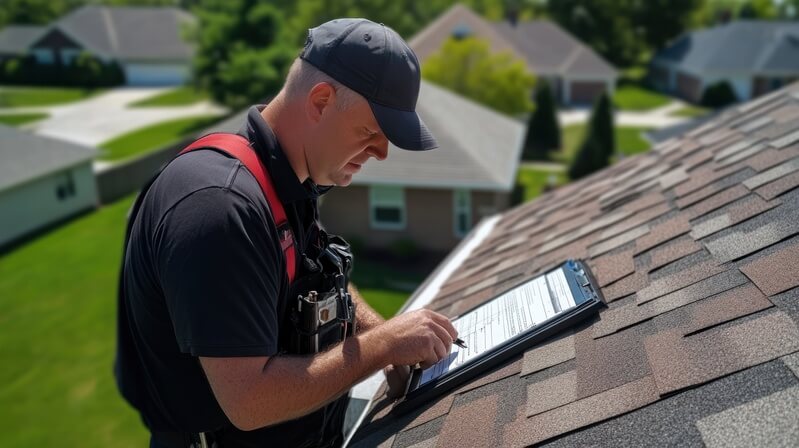
A roof inspection in progress, with an inspector carefully examining the shingles, gutters, and overall roof structure, highlighting potential areas of concern

Evaluating Whether Your Roof Needs Replacement

The first step in the replacement process is a professional inspection. If your roof is missing shingles, has visible damage, or is leaking, replacement might be the best option. If your roof is over 20 years old, it is likely near the end of its lifespan. Asphalt shingles typically last 15 to 25 years depending on climate and maintenance. If your roof is approaching or past this age, replacement is worth planning for even if damage is not yet visible. A professional roof inspection gives you a clear picture: repairs might extend the life of your roof for another 5 to 10 years, or replacement might be the more economical choice in the long run.

Roof Replacement Timeline: Planning for Your Project

Most roof replacements take 2 to 5 days from start to finish. A single-story home with a straightforward roof design typically takes 2 to 3 days. A two-story home or a roof with complex features such as multiple valleys, dormers, or skylights might take 3 to 5 days. Weather delays can extend the timeline. We will provide you with a specific start and end date when we schedule your project. Before work begins, we conduct a site visit to assess the scope, identify potential complications, and plan for adequate crew size. On the first day, we remove your old shingles and inspect the underlying roof deck for damage. Any damaged decking is replaced. We install new underlayment and begin installing new shingles, working from the bottom of the roof toward the ridge. On subsequent days, we complete the roof, install flashing, and clean the site thoroughly. By the final day, your roof is complete, and the site is cleaned of all debris.

Understanding Roof Replacement Costs

Roof replacement cost varies based on several factors. The size of your roof, measured in squares (a square equals 100 square feet), is the primary factor. The materials you choose are another major cost driver. Architectural asphalt shingles cost less than premium options such as metal roofing or slate. The complexity of your roof (simple slopes versus multiple valleys and features) affects labor costs. The condition of your roof deck, discovered during installation, can lead to additional costs if decking repair or replacement is necessary. For a typical two story home in Illinois or Indiana, expect costs ranging from $8,000 to $25,000, depending on materials and complexity. Smaller homes might cost $6,000 to $12,000. Larger homes or those with  complex roof designs might exceed $25,000. We provide detailed, free estimates after a site visit. The estimate includes the exact cost of materials, labor, and any anticipated additional work.

Choosing the Right Contractor

Your roof replacement contractor should be licensed, insured, and experienced. Ask for references and check ratings with the Better Business Bureau. Verify that they carry liability insurance and workers compensation insurance. Ask whether they guarantee their workmanship and for how long. Choose a contractor who has been in business for several years and has a track record of completed projects. Get multiple estimates, but do not automatically choose the lowest price. A suspiciously low bid might reflect inferior materials or corners cut during installation. At M&M Home Remodeling Services, we are a GAF Certified Contractor and an Owens Corning Platinum Preferred Contractor. We carry full insurance coverage, provide a 10-year workmanship warranty, and stand behind our work with our reputation.

Preparing Your Home for Roof Replacement

Before the work begins, prepare your home and property. Clear your gutters and downspouts of debris. Trim branches that overhang your roof to give the crew safe access. Move your vehicles away from your home so contractors can position ladders and work safely. Remove outdoor furniture, grills, or other items from your yard that might be damaged by falling debris. Notify neighbors that roof work will be happening so they are not surprised by activity and noise. Let the roofing crew know if you have pets that should be kept indoors during the work. Make sure children are supervised and kept away from the work area. Our crew will take precautions to minimize damage to landscaping and exterior features, but it is important that the site is as clear as possible.

Financing Your Roof Replacement

Roof replacement is a major expense, but several financing options are available. Many homeowners pay out of pocket if they have been setting aside funds for the replacement. Others use home equity loans or home equity lines of credit, which often have favorable interest rates. Some contractors, including M&M, offer financing partnerships that allow you to pay over time with approved credit. If your roof was damaged by a storm, your homeowners insurance might cover a significant portion of the replacement cost. File a claim promptly after a damaging event and request that your insurance company conduct an inspection. Present the insurance adjuster with your contractor s estimate to support your claim.

Materials: Choosing Your New Roof

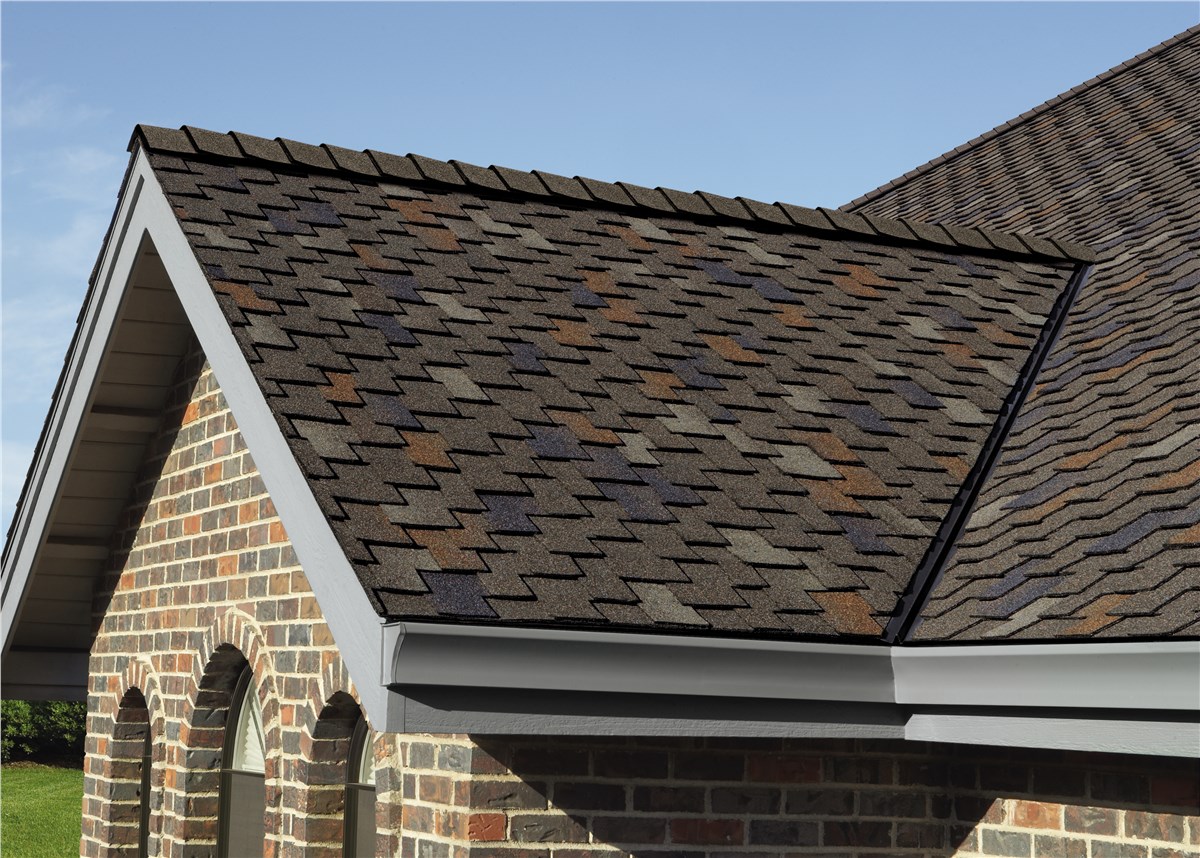
The most common roofing material is architectural asphalt shingles, which offer a good balance of cost, appearance, and durability. They last 15 to 25 years and come in many colors to match your home. Premium materials such as metal roofing, composite shingles, or slate offer longer lifespans and more distinctive appearances, but at higher cost. Metal roofing can last 40 to 60 years. Wood shake and slate offer classic aesthetics but require more maintenance. Discuss material options with your contractor. They can recommend materials that perform well in your climate and explain the cost and longevity differences

After Your Roof Replacement: Maintenance and Warranty

After your roof is installed, you have a new roof with an estimated lifespan of 15 to 25 years. Most manufacturers provide a 20 to 30-year warranty on shingles, and your contractor should provide a workmanship warranty as well. Schedule annual inspections to catch any issues early. Keep gutters clean to prevent water from backing up under shingles. After storms, do a quick visual inspection or schedule a professional inspection to verify that your roof has not been damaged. With proper maintenance, your roof will provide reliable protection for decades.

Flexible Financing Made Easy

We offer fast and flexible financing options to help you complete your home improvement projects without delay. Our simple application process ensures you get approved quickly, so you can focus on enhancing your home with the best materials and services available. Let us help you make your dream home a reality—without the financial stress.
roofing financing
bbb torch awards for ethics
Award for Service Excellence - Guild Master
Best Roofers in Arlington Height
Top 100 Roofing Contractors in the Nation
Angie's List Super Service Award
Southland's Best 2023
Image showcasing Crown Point home remodeling services, featuring before-and-after transformations of various home interiors.

Frequently Asked Questions

How long does a roof replacement take?

Most roof replacements take 2 to 5 days depending on the size of the roof, weather conditions, and the complexity of the project. A single-story home typically takes 2-3 days, while a two-story home may take 3-5 days. We will provide you with a specific timeline based on your home.

Roof replacement cost depends on several factors including the size of your roof, the materials selected, the complexity of the installation, and the current condition of your roof deck. Prices range from $8,000 to $25,000 or more for a typical home. We provide free estimates so you know the exact cost before the project begins.

Before your roof replacement begins, clear gutters and downspouts, trim overhanging branches, remove outdoor items from your yard, move vehicles away from your home, and alert neighbors that work will be happening. We will provide a complete list of preparation steps when we schedule your project.