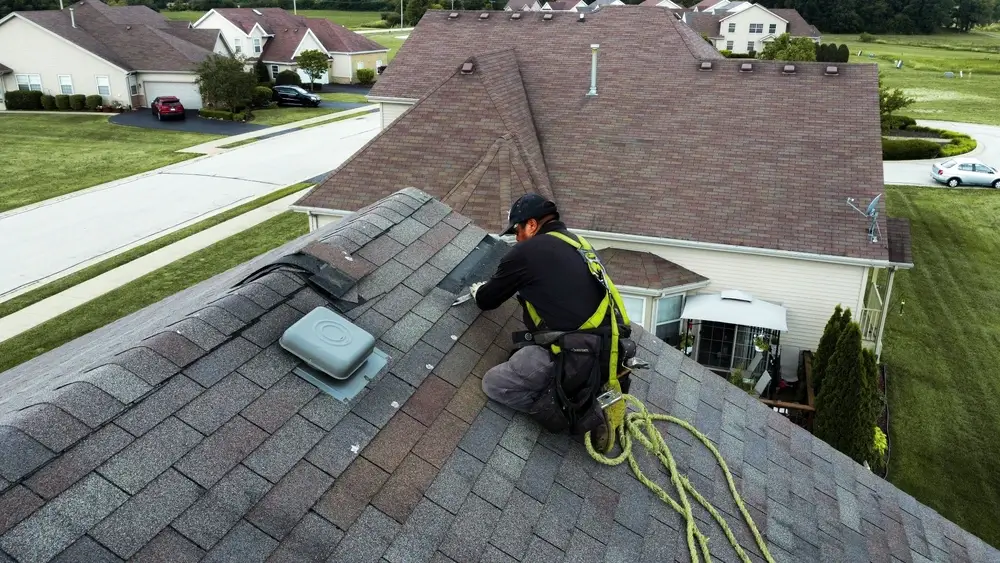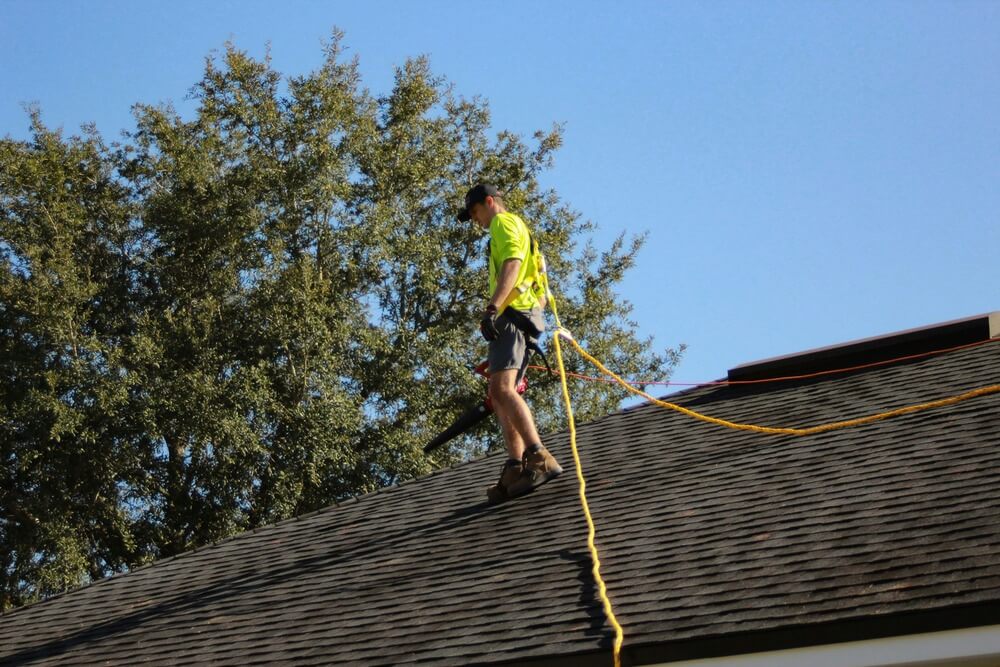
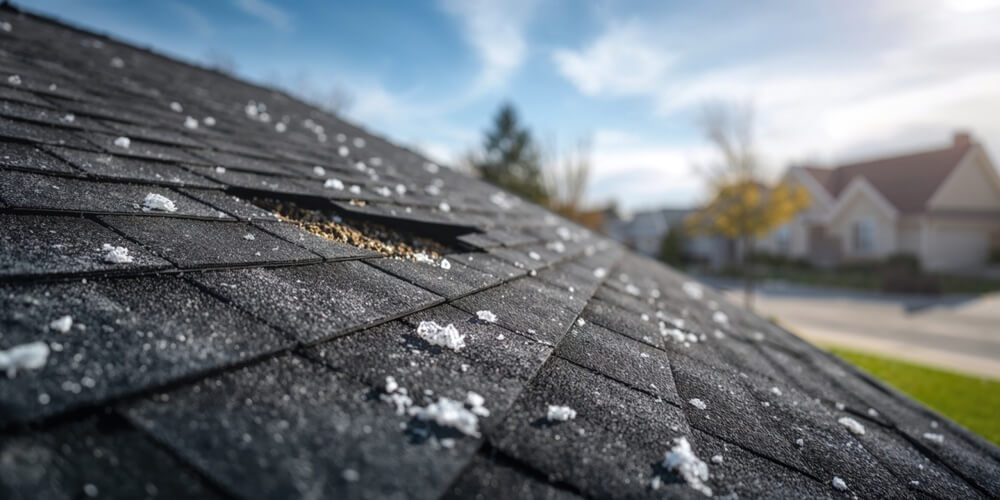
A thorough inspection after hail damage is important for homeowners across Chicagoland and Northwest Indiana. Spring storm season often brings hail and fast-forming tornadoes to communities like Arlington Heights, Crete, and Crown Point. Severe weather can weaken roofing systems even when damage is not immediately visible.
Early detection helps homeowners address roofing issues before they lead to interior damage. Timely inspections also make it easier to plan the right solution and protect the home long term.
Key Takeaways
- Schedule a hail damage roof inspection after any major storm to record visible damage.
- Check shingles, flashing, gutters, and siding for hail impacts that lead to leaks.
- Photograph the damage and start the insurance claims process promptly for faster repair.
- Consider preventative upgrades like impact-resistant shingles and improved gutters.
Smart Ways Chicagoland Homes Can Resist Storm Damage
Homes in Chicagoland face heavy spring storms and occasional tornadoes. Durable exterior materials help minimize weather damage and protect critical parts of the home. Prioritize systems that stop water and wind from entering the home.
Reinforce Roofing Materials With Impact-Resistant Options
Choosing impact-resistant shingles reduces roof hail damage and extends service life. Field teams see fewer punctures and less shingle replacement after storms when homeowners select higher-rated roofing materials.
A well-planned roof installation that includes impact-resistant shingles and durable underlayment improves overall resistance to hail and wind.
Protect Vulnerable Edges
Roof edges and flashing are common failure points during hail and wind events. Technicians in the region report that secure flashing and a repaired soffit reduce water infiltration after storms. Timely roof repair at these weak points prevents interior water damage and costly follow-on work.
Upgrade Water Management
Well-sized gutters and clear downspouts channel heavy rain away from foundations and siding. Contractors in Northwest Indiana note that clogged gutters worsen siding and masonry damage during heavy storms. An effective gutter protects siding, doors, and windows from splashback and rot.
Storm Prep Steps for Chicagoland and Northwest Indiana Homes
Seasonal forecasts predict active storm windows in March and April across the region. Preparing your home before storms lowers the chance of emergency repairs. Focus on inspections, securing exterior elements, and insurance documentation.
Inspect and Document the Roof and Exterior Now
Book a roof inspection for hail damage before storm season peaks to establish a baseline of the current condition. Inspectors trained in regional weather impacts look for granular loss, bruised shingles, and dented flashing. Clear documentation of pre-storm conditions helps with later insurance claims if weather damage occurs.
Secure Openings: Windows, Doors, and Siding
Reinforce or fasten loose siding and check door and window seals to stop wind-driven rain. Field teams often advise homeowners to repair damaged siding and trim before storms to prevent water entry. Properly sealed windows and doors also reduce interior damage during high winds.
Clear Debris and Maintain Gutters Regularly
Remove branches and loose objects from yards that could become projectiles in tornado-strength gusts. Regular gutter cleaning prevents backups that can flood roofing valleys and damage the soffit. Keeping trees trimmed near the house lowers the risk of impact to roofing, siding, and windows during hailstorms.
Defend Your Chicagoland Home From Hail and Tornado Damage
M&M Home Remodeling Services has been a trusted roofing contractor since 1976, helping homeowners protect what matters most. Our certified team delivers detailed storm damage assessments backed by decades of Midwest experience and our GAF Master Elite certification. When hail hits your neighborhood, we provide clear guidance and reliable solutions that restore long-term peace of mind.
Schedule your free estimate today.
Serving homeowners across Chicagoland and Northwest Indiana, our trusted roofing team ensures every roof meets the highest standards for durability and protection. Learn more about our work in Crete, Arlington Heights, Crown Point, and other locations as we assess the critical components that protect your home’s exterior.
Frequently Asked Questions
How soon should I schedule a hail-damage roof inspection after a storm?
Aim to schedule a roof inspection for hail damage within two weeks after a major storm, while the evidence is fresh. Quick inspections yield better photographic records for insurance claims and speed repairs that prevent leaks.
What does a roof hail damage inspection typically include?
A roof hail damage inspection checks shingles for bruising, missing granules, dented metal flashings, and valley or gutter impacts. Inspectors often document findings with photos and written notes to support repair planning.
Can hail damage look minor but still cause leaks later?
Yes, hail can bruise shingles without immediate leaks, and granule loss weakens waterproofing over time. Minor-seeming damage often accelerates wear and can lead to leaks in the next heavy rain event.
Should I file insurance claims for every hail hit I find?
File a claim when inspection documents damage that affects the function or the roof’s life expectancy. Small cosmetic damage may not warrant claims, but documented performance issues should go to your insurer for review.