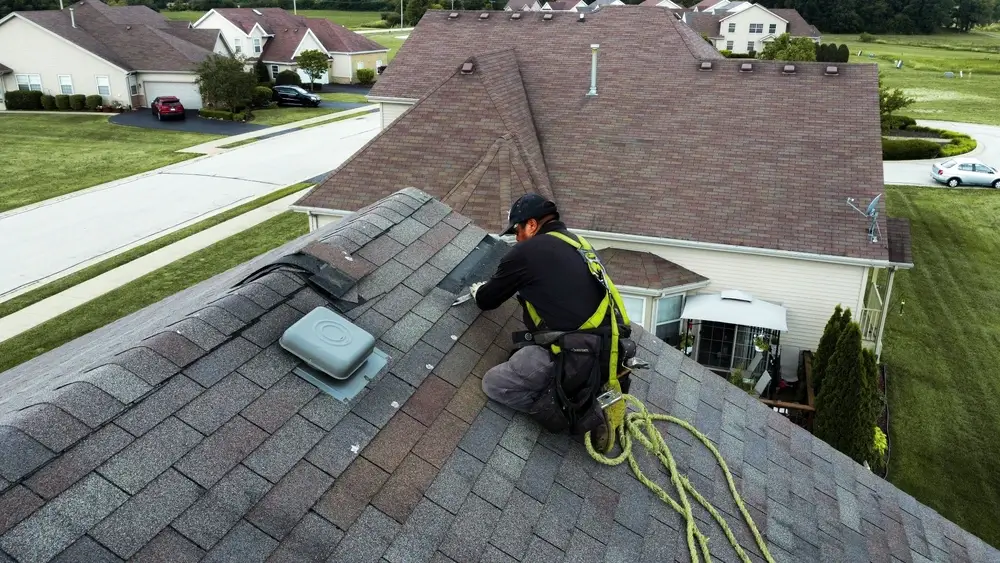
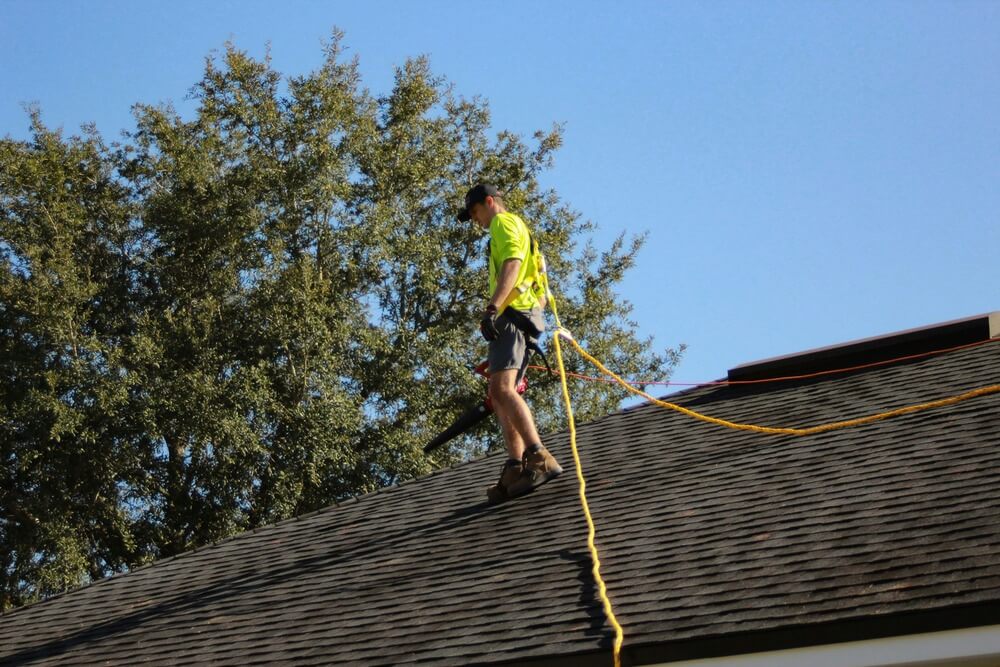
Back-to-school season signals more than changing schedules for homeowners across Chicagoland and Northwest Indiana. It also provides a practical reminder that colder weather is approaching and preparing your roof for winter deserves attention. A fall roof inspection in Chicagoland can identify damage before snow, ice, and repeated freezing temperatures place additional stress on roofing materials.
Homes in Arlington Heights, Crete, and Crown Point experience demanding seasonal changes that can expose roofing weaknesses. Fall roof maintenance gives homeowners time to understand roof conditions and address concerns before winter weather makes existing problems more difficult to manage.
Key Takeaways
- Fall provides time to identify roofing concerns before snow, ice, and prolonged freezing temperatures arrive.
- Roof inspections can reveal damaged shingles, flashing concerns, drainage problems, and other vulnerable areas.
- Addressing smaller roofing problems early may help prevent moisture exposure from becoming more extensive.
- Roof age, damage severity, and overall condition help determine whether repairs or replacement make sense.
Fall Roof Checks That Prepare Chicagoland Homes for Winter
Seasonal temperature changes can expose roofing problems that were easy to overlook during summer. Winter roof preparation starts with understanding the roof’s current condition before snow and ice cover important surfaces. A careful inspection can help homeowners identify which concerns deserve attention before temperatures consistently fall below freezing.
The following checks focus on five roof areas that commonly deserve attention before winter.
Schedule a Professional Roof Inspection Before Cold Weather
Small roofing defects may remain difficult to recognize from ground level, especially around flashing, penetrations, and less visible roof sections. A professional fall roof inspection can identify deterioration and determine whether specific conditions require maintenance, repair, or further evaluation. This matters because roof inspection before winter provides time to address vulnerable areas before snow and ice make assessment more difficult.
Homeowners should consider when to schedule a roof inspection before sustained freezing conditions arrive across Chicagoland and Northwest Indiana.
Check Shingles for Visible Wear and Damage
Loose, cracked, curled, or missing shingles can leave portions of a roofing system more vulnerable during winter weather. Seasonal roof maintenance should include evaluating visible shingle conditions and determining whether damaged areas require professional attention. This matters because weakened roofing materials may face additional stress from wind, snow, ice, and changing temperatures.
Homeowners can visually review the roof from the ground, but potentially damaged areas should be assessed safely by a roofing professional.
Examine Flashing Around Vulnerable Roof Areas
Flashing around chimneys, vents, valleys, and roof transitions can become vulnerable after years of weather exposure. An inspection can identify loose, damaged, or deteriorated flashing before melting snow introduces moisture around these sensitive roof areas. This matters because even a relatively small opening can provide a pathway for water beneath surrounding roofing materials.
Include flashing condition among the signs of roof damage before winter that deserve attention during a seasonal evaluation.
Look for Evidence of Storm-Related Roof Damage
Strong winds, hail, and severe storms can affect roofing materials without creating an immediate interior leak. Evaluating damage caused by severe Midwest weather can reveal affected shingles or other vulnerable areas before winter adds further exposure. This matters because previously damaged roofing components may be less prepared for subsequent snow, ice, and winter winds.
After significant weather events, homeowners in areas such as Crete and Arlington Heights should watch for visible changes in roofing materials.
Review Gutters and Roof Drainage Before Leaves Accumulate
Leaves and seasonal debris can obstruct gutters, limiting how effectively water moves away from roof edges during autumn precipitation. Fall roof maintenance should include checking drainage areas and clearing debris before freezing conditions make blockages more troublesome. This matters because proper drainage helps melting snow and precipitation move away instead of remaining around vulnerable roof edges.
Homeowners should review gutters and downspouts as part of broader seasonal roof maintenance before late fall conditions arrive.
Prioritize Roof Repairs Before Winter Weather Arrives
Finding a roofing concern is only the first step in preparing your home for colder weather. Homeowners must also determine which problems need prompt repair and which conditions suggest broader deterioration. The roof’s age, damage extent, moisture exposure, and material condition can help establish priorities before winter arrives.
These five considerations can help homeowners decide which roofing concerns should receive attention first.
Repair Small Roofing Problems Before They Spread
Minor roof damage can become more difficult to manage after repeated exposure to precipitation and freezing temperatures. Addressing minor roof repairs before winter can correct isolated vulnerabilities before changing weather places additional stress on affected areas. This matters because smaller openings can permit moisture intrusion that may affect surrounding roofing components over time.
Homeowners should have localized damage evaluated rather than assuming a small visible problem will remain unchanged throughout winter.
Address Active Leaks Before Freezing Temperatures
An existing leak indicates that moisture has already found a pathway through part of the roofing system. Locating the source and completing appropriate repairs can help limit continued exposure before snow and freeze-thaw cycles complicate the problem. This matters because recurring moisture can affect roof decking, insulation, ceilings, or other materials beneath the roof.
Visible ceiling stains or recurring moisture should prompt a professional assessment before winter conditions become established.
Evaluate Storm Damage Before the Next Weather Event
Storm-related roof damage may weaken materials even when the roof continues protecting the home immediately afterward. A professional evaluation can determine whether affected areas need repairs before another severe weather event places additional pressure on them. This matters because winter roof problems in illinois can compound vulnerabilities created by earlier wind or hail events.
Homeowners should document visible changes after severe weather and arrange an evaluation when roofing damage is suspected.
Consider Replacement When Roof Deterioration Is Widespread
Repeated repairs may become less practical when deterioration affects large portions of an aging roofing system. Replacing an aging roof before harsh weather may be considered when inspection findings show widespread wear rather than isolated repairable damage. This matters because replacement decisions should reflect the roof’s overall condition instead of relying on one visible problem.
An inspection can help homeowners understand whether targeted repairs remain appropriate or broader replacement deserves consideration before winter.
Complete Priority Roofing Work Before Conditions Become Restrictive
Delaying necessary roofing work can leave known vulnerabilities exposed as temperatures decline and winter precipitation becomes more frequent. Scheduling priority repairs during fall provides an opportunity to resolve documented concerns under more favorable seasonal conditions. This matters because preparing your roof for winter is easier when homeowners understand and address problems before snow conceals roofing surfaces.
Crown Point and Northwest Indiana homeowners can use early fall to prioritize inspection findings before prolonged winter conditions settle across the region.
Prepare Your Roof for Winter in Chicagoland and Northwest Indiana
M&M Home Remodeling Services has served homeowners since 1976 and provides documented roofing inspection, repair, replacement, installation, and maintenance services. Homeowners concerned about their roof before winter can request a free estimate to understand the appropriate scope of potential roofing work.
Contact M&M Home Remodeling Services to discuss roofing concerns before snow and prolonged freezing temperatures arrive. Planning can provide greater peace of mind by giving homeowners time to address documented roofing problems before another Midwest winter.
Frequently Asked Questions
When should I schedule a fall roof inspection?
Early fall generally provides homeowners time to identify roofing concerns before sustained freezing temperatures and snow arrive. Scheduling earlier also leaves more time to evaluate any damage and determine whether maintenance, repair, or replacement is appropriate.
What are common signs of roof damage before winter?
Watch for missing, cracked, curled, or loose shingles, visible flashing problems, interior water stains, and changes following severe weather. These conditions can justify professional evaluation before snow and ice make roof surfaces harder to assess.
Why is a roof inspection important before a Chicagoland winter?
A seasonal inspection can identify existing vulnerabilities before snow, ice, wind, and freeze-thaw conditions add stress. Finding problems during fall allows homeowners to understand their roof’s condition and prioritize necessary work.
Does every roofing problem require roof replacement?
No. Isolated damage may be suitable for repair, while widespread deterioration can make replacement worth evaluating. A professional assessment considers roof age, material condition, damage extent, and moisture concerns before determining an appropriate approach.