Understanding roof repair vs. replacement in Chicagoland can be difficult when damage appears after a storm or develops gradually. Some roofing problems remain limited to a small area, while others indicate broader deterioration across the roofing system. The right response depends on the damage, the roof’s overall condition, and whether problems continue returning.
Homeowners across Chicagoland and Northwest Indiana also face hail, wind, snow, ice, and repeated freeze-thaw cycles. These conditions can expose existing weaknesses and make roof damage after severe weather more noticeable.
Knowing what to evaluate can make the repair-or-replacement decision clearer before additional weather creates further problems.
Key Takeaways
- Localized roof damage may be repairable when surrounding roofing materials remain in serviceable condition.
- Widespread deterioration can make replacement more practical than repeatedly addressing individual damaged areas.
- Roof age, recurring leaks, and storm damage provide important context when evaluating roofing options.
- A professional inspection can clarify damage that homeowners may not see from ground level.
How to Choose Roof Repair or Replacement for Chicagoland Homes
Choosing between repair and replacement starts with understanding the extent and pattern of the roof damage. A localized defect presents a different situation than widespread wear across several sections of the roofing system. Homeowners should consider condition, age, weather exposure, leaks, and damaged materials before determining the appropriate scope of work.
Determine Whether Roof Damage Is Localized or Widespread
A small damaged area does not necessarily mean the entire roofing system has reached the end of its service life. Professional roof repair for localized damage can address an isolated problem when surrounding materials remain serviceable. This distinction matters because the extent of deterioration helps determine when to repair a roof instead of considering broader replacement work.
Consider the Roof’s Age and Overall Condition
Older roofing materials may show widespread wear even when the most noticeable problem appears limited to one location. Evaluating roof age and replacement together with overall condition helps determine whether repairing an aging roof addresses the underlying issue. This matters because continued deterioration can reduce the long-term value of repeatedly correcting isolated problems.
Evaluate Damage After Severe Midwest Weather
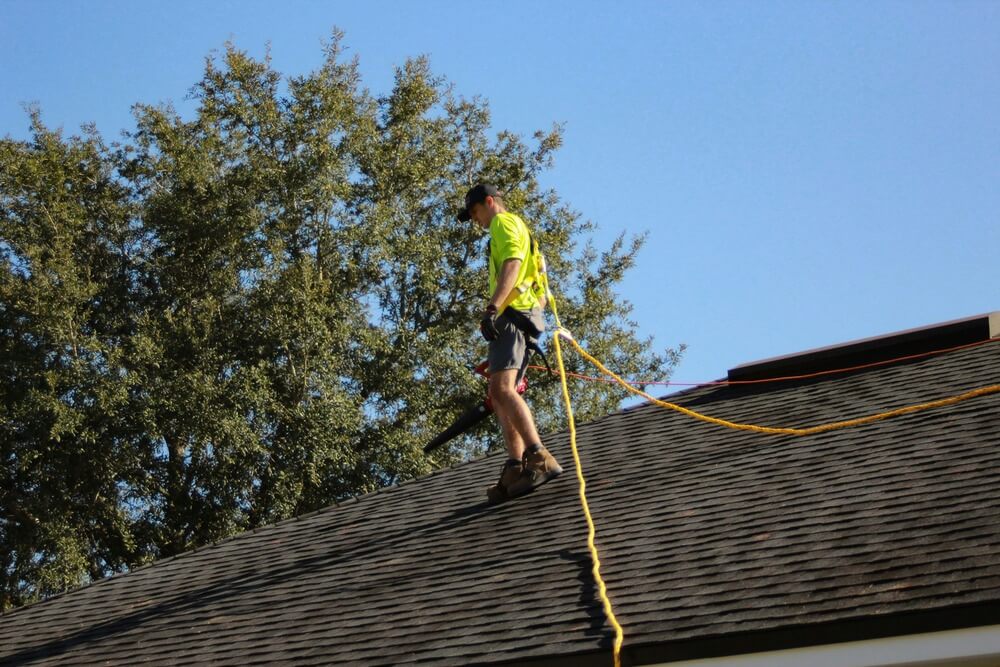
Hail and strong winds can damage shingles, flashing, and other exposed roof components during storms across Chicagoland and Northwest Indiana. A detailed roof inspection can establish the location and extent of roof damage after severe weather. Understanding the full damage pattern matters because storm effects may extend beyond the areas visible from a driveway or yard.
Identify Recurring Leaks and Continuing Deterioration
Recurring roof leaks can indicate that moisture is entering through an unresolved defect or several vulnerable areas across the roof. Examining the source and surrounding signs of roof deterioration helps determine whether another repair can reasonably address the problem. This matters because repeated leaks can signal a broader condition that deserves more evaluation than the latest water stain alone.
Decide Whether Damaged Shingles Can Be Repaired
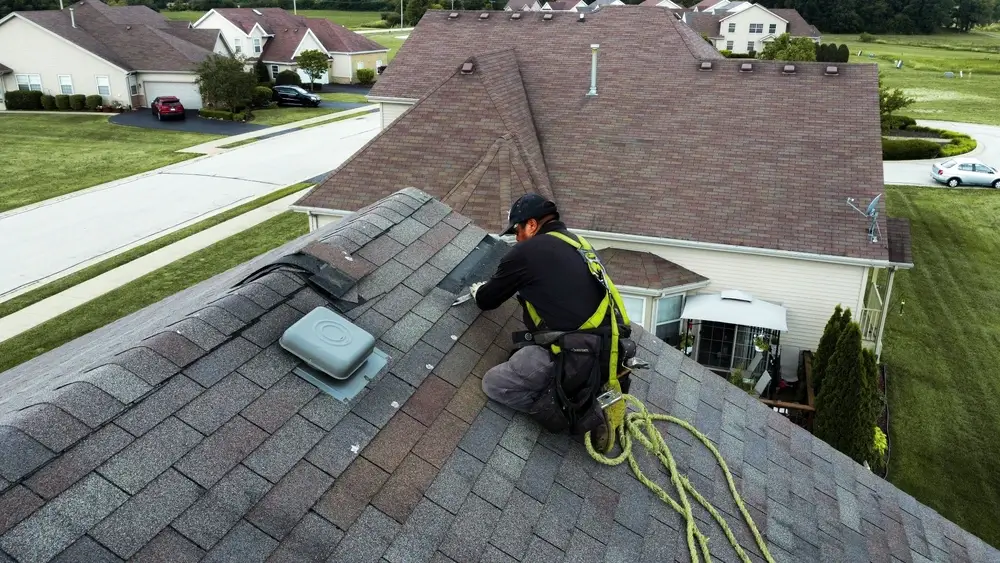
Missing, cracked, or storm-damaged shingles can leave individual sections of a roof more exposed to water and wind. Replacing damaged or missing shingles can address localized shingle problems when the surrounding roof remains in suitable condition. This matters because isolated shingle damage differs from widespread material deterioration that affects the roof as a complete system.
Key Steps for Making the Right Roofing Decision
A roofing decision should be based on evidence from the entire roofing system rather than one visible symptom. Homeowners can compare inspection findings, damage patterns, roof condition, and the frequency of previous problems. These steps provide useful context for deciding when to replace a roof or when a targeted repair may be sufficient.
Start With a Detailed Roof Inspection
Roof damage is not always visible from the ground, especially around flashing, penetrations, valleys, and other less-visible areas. An inspection can document affected areas and distinguish isolated damage from broader deterioration across the roofing system. This matters because a complete understanding of roof condition provides a stronger basis for comparing repair and replacement options.
Compare the Repair Scope With the Roof’s Overall Condition
A repair may correct one problem while other roof areas continue showing substantial wear from age or weather exposure. Homeowners should compare the proposed repair area with the condition of shingles, flashing, drainage points, and surrounding materials. This comparison matters because repairing one defect cannot correct unrelated deterioration elsewhere on the roofing system.
Look Beyond the Most Visible Roofing Problem
A missing shingle or ceiling stain may attract attention first, but it does not always reveal the complete roofing problem. Evaluating nearby materials and moisture pathways can show whether the visible symptom is isolated or connected to broader deterioration. This matters because repair decisions based only on the easiest problem to see may overlook other affected roof components.
Consider Whether Repairs Are Becoming Repetitive
Repeated roofing problems can indicate that individual repairs are addressing symptoms while deterioration continues in other areas. Homeowners should consider the frequency and location of previous problems when deciding whether another localized repair remains appropriate. This matters because recurring repairs can provide useful evidence about how consistently the existing roofing system is performing.
Determine When Full Roof Replacement Is Appropriate
Extensive deterioration can make isolated repairs less effective when multiple roof areas are approaching the end of their useful service life. Replacing an aging or extensively damaged roof addresses widespread conditions rather than repeatedly correcting separate problem areas. This becomes relevant when signs your roof needs replacement extend across the roofing system instead of remaining confined to one repairable location.
Get a Professional Assessment Before Choosing Roof Repair or Replacement
Deciding between roof repair and replacement becomes easier when the extent of damage and overall roof condition are clearly documented. M&M Home Remodeling Services provides roofing inspections, repairs, shingle replacement, and roof replacement services for homeowners across Chicagoland and Northwest Indiana.
Request a free estimate to discuss your roof’s current condition and determine the appropriate next step. A professional assessment can clarify whether localized repair work or a broader roofing project fits the roof’s current condition.
Frequently Asked Questions
When is roof repair usually appropriate?
Roof repair may be appropriate when damage remains localized and surrounding roofing materials are still serviceable. The roof’s age, overall condition, leak history, and extent of weather damage should also be considered before determining the scope.
What are common signs a roof may need replacement?
Signs your roof needs replacement can include widespread material deterioration, repeated problems across different areas, and damage affecting a substantial portion of the roofing system. An inspection can help determine whether those conditions are isolated or extensive.
Does an older roof automatically need to be replaced?
No. Age provides useful context, but condition is also important when evaluating a roof. Roofing materials, maintenance history, weather exposure, previous damage, and current performance can all influence whether repair or replacement deserves consideration.
How should homeowners respond to roof damage after a severe storm?
Homeowners should document visible concerns from a safe location and arrange an inspection when storm damage is suspected. A professional evaluation can identify affected areas and determine whether the damage is localized or more widespread.