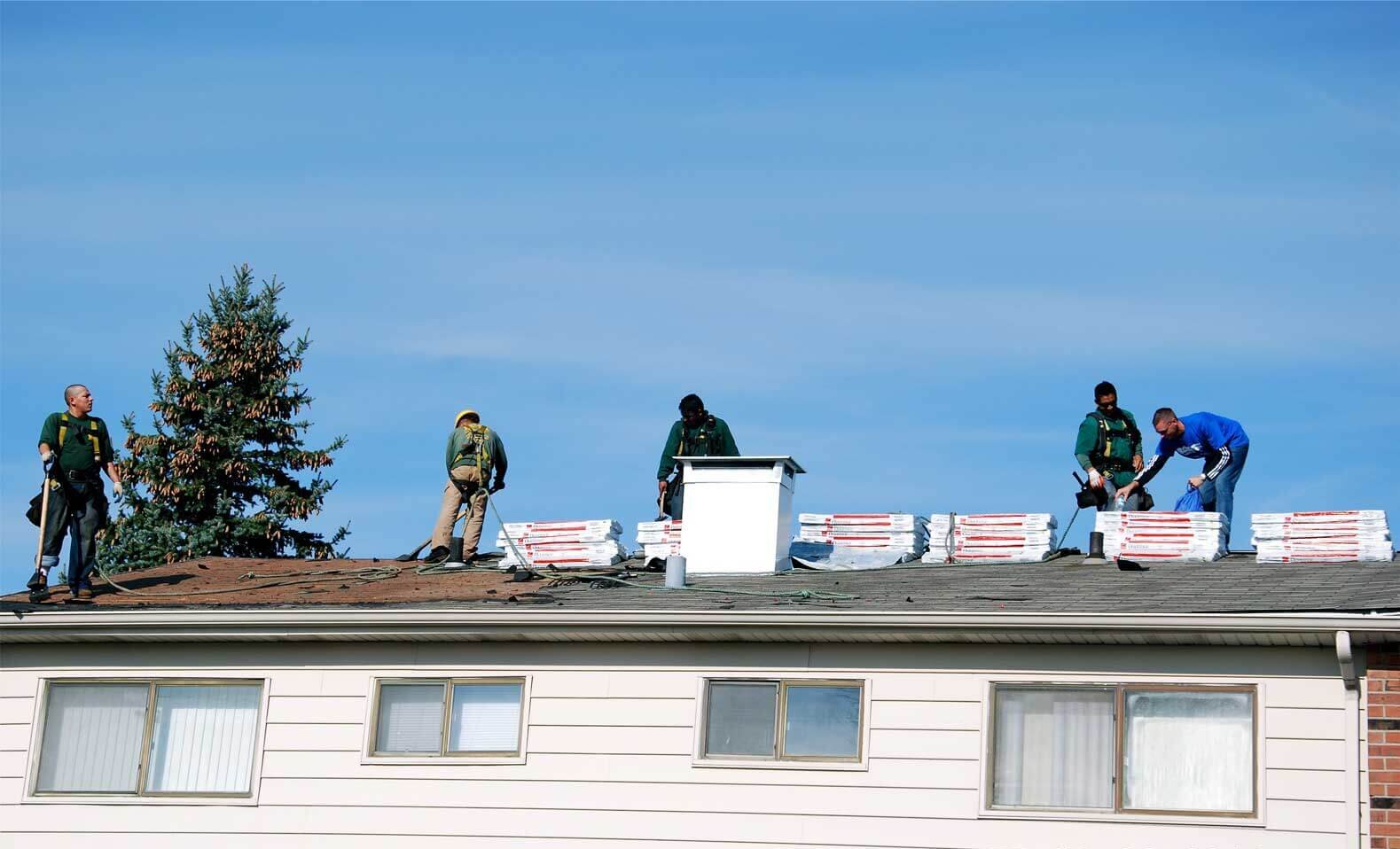
The best time for exterior home remodeling in Chicagoland often comes before freezing temperatures make existing exterior problems harder to manage. Summer exterior home remodeling gives homeowners time to address roofing, siding, gutters, and insulation before repeated freeze and thaw cycles arrive.
Across Chicagoland and Northwest Indiana, completing exterior home projects before winter can help reduce exposure to snow, ice, wind, and moisture.
Key Takeaways
- Completing exterior projects early helps address vulnerable areas before snow, ice, and freezing temperatures arrive.
- Roof, siding, gutter, and insulation concerns can become more disruptive during harsh Midwest weather.
- Summer and early fall provide useful opportunities to inspect exterior systems and prioritize necessary improvements.
- Winter home preparation should focus first on problems that could allow moisture or heat loss.
How Pre-Winter Exterior Work Helps Protect Chicagoland Homes
Exterior systems work together to protect a home from changing Midwest conditions throughout winter. Existing damage can become more troublesome after repeated exposure to freezing temperatures, snow, ice, and moisture. Preparing your home exterior for winter means identifying vulnerable areas and addressing important problems before harsher conditions arrive.
This section explains five practical ways timely exterior work can strengthen a home’s protection before winter.
Addresses Aging Roofing Before Snow and Ice Arrive
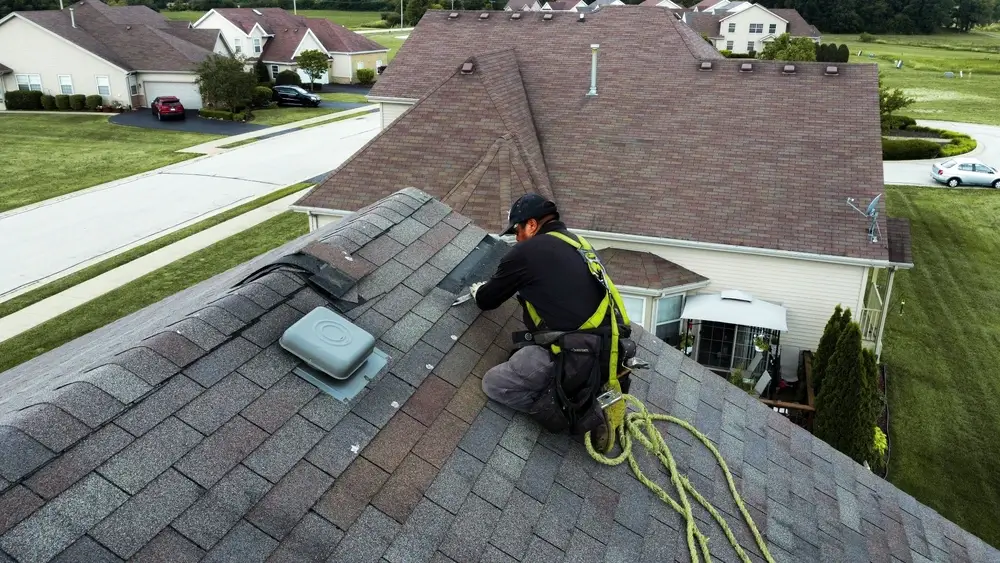
An aging roof may have worn shingles, vulnerable flashing, or other areas that allow moisture to reach the underlying system. Replacing an aging roof before winter can address widespread deterioration before snow and ice place additional demands on exposed materials. This matters because winter moisture can enter small openings and contribute to damage that remains hidden until conditions improve.
Homeowners in Chicagoland should have concerning roof conditions evaluated before prolonged freezing weather limits practical repair opportunities.
Strengthens Siding Against Wind and Moisture
Cracked, loose, or deteriorated siding can leave portions of the exterior more exposed during windy, wet winter conditions. Installing weather-resistant siding for your home helps create a stronger exterior barrier when existing materials no longer provide dependable protection. That barrier matters across communities such as Arlington Heights, where seasonal temperature swings can repeatedly stress aging exterior materials.
Inspect loose panels, damaged sections, and questionable seams before colder weather makes existing vulnerabilities harder to address.
Stops Damaged Siding From Becoming a Larger Problem
Localized siding damage can expand when moisture reaches gaps and repeatedly freezes during cold weather. Replacing worn or damaged siding helps restore compromised areas before winter conditions create additional movement or moisture exposure. This is especially important when deterioration affects several adjoining sections rather than one isolated cosmetic defect.
Homeowners should document visible cracks, loose sections, and deterioration while conditions remain suitable for a thorough exterior evaluation.
Keeps Roof Runoff Moving Away From the Home
Clogged, loose, or poorly functioning gutters can interfere with drainage when autumn rain transitions into snow and freezing conditions. Improving your home’s gutter system supports more reliable movement of roof runoff toward designated drainage points instead of vulnerable exterior areas. Effective drainage matters because uncontrolled water can freeze around roof edges or collect near areas homeowners want protected.
Clear debris and inspect gutters and downspouts before falling temperatures turn ordinary drainage problems into winter concerns.
Reduces Heat Loss Through the Attic
Insufficient attic insulation can allow conditioned indoor heat to escape more readily during long periods of cold Midwest weather. Adding attic insulation before colder weather can improve the thermal barrier between living areas and the attic when existing insulation is inadequate. Better insulation matters because reducing unwanted heat transfer supports indoor comfort and more consistent home energy performance.
Include attic conditions when reviewing winter home preparation priorities instead of focusing exclusively on visible exterior surfaces.
Decide Which Exterior Projects to Complete Before Winter
Not every exterior concern requires the same response or carries the same urgency before winter. Homeowners should prioritize conditions that affect water management, weather protection, structural performance, and energy efficiency. A focused inspection can help distinguish routine maintenance from work that deserves attention before temperatures fall.
This section helps homeowners decide which exterior projects should move higher on the pre-winter priority list.
Prioritize Roof Problems That Can Allow Water Intrusion
Missing materials, recurring leaks, deteriorated flashing, and widespread aging can indicate that a roof needs attention before winter. A professional assessment can determine whether repair remains practical or whether broader replacement should be considered. Resolving significant vulnerabilities matters because snow and melting precipitation can exploit openings that already exist.
For Crown Point and Northwest Indiana homeowners, visible roof deterioration should be evaluated before extended periods of freezing weather begin.
Evaluate Siding Condition Before Choosing a Project
Siding can appear weathered without requiring replacement, while cracks, loose panels, or widespread deterioration may signal more meaningful performance concerns. Determining the best time to replace siding requires considering material condition, moisture exposure, and the extent of existing damage. That distinction matters because cosmetic aging and compromised exterior protection call for different responses.
Inspect several elevations of the home rather than judging siding condition from the most visible wall alone.
Check Gutters Before Autumn Debris Creates Blockages
Gutters can perform adequately during light rain yet struggle when leaves, debris, and heavier seasonal precipitation increase drainage demands. Cleaning and correcting damaged gutter sections before winter helps water travel away from roof edges and exterior surfaces more consistently. Reliable drainage matters because standing or poorly directed water becomes more troublesome once temperatures repeatedly fall below freezing.
Homeowners should also check downspout discharge areas to confirm runoff is not collecting beside the home.
Review Attic Insulation Before Heating Demand Increases
Rooms that feel unusually cold may point toward insulation deficiencies, although comfort problems can have several possible causes. Evaluating attic insulation can identify thin, uneven, or otherwise inadequate coverage before colder temperatures increase heating demand. Addressing confirmed deficiencies matters because insulation supports thermal control throughout the entire heating season.
Have attic conditions evaluated alongside other exterior priorities when planning pre-winter improvements.
Schedule Higher-Priority Work Before Conditions Become Restrictive
Waiting until winter can reduce scheduling flexibility and expose unresolved exterior problems to additional weather before they receive attention. Planning summer exterior home remodeling or early fall work provides more time to assess conditions and organize appropriate project scopes. Earlier planning matters because urgent winter repairs can be more disruptive than addressing documented problems under more favorable seasonal conditions.
Start with issues affecting active leaks, drainage, damaged exterior materials, and significant heat loss, then prioritize lower-risk improvements afterward.
Prepare Your Home Exterior Before Winter in Chicagoland and Northwest Indiana
M&M Home Remodeling Services has been delivering on promises since 1976, serving homeowners throughout Chicagoland and Northwest Indiana with residential exterior remodeling services. Homeowners considering seasonal improvements can request a free estimate to better understand the condition and appropriate scope of their project.
Contact M&M Home Remodeling Services before colder weather arrives to discuss roofing, siding, gutters, attic insulation, or related exterior concerns.
Early planning can provide greater peace of mind by giving homeowners time to address documented problems before winter weather places additional demands on the home.
Frequently Asked Questions
What exterior projects should homeowners prioritize before winter?
Start with conditions that can affect water intrusion, drainage, weather protection, or energy performance. Roofing damage, deteriorated siding, gutter problems, and inadequate attic insulation can deserve priority before Chicagoland’s prolonged freezing conditions arrive.
Is summer a good time to complete exterior remodeling?
Summer often provides favorable conditions for inspections and planned exterior improvements before colder weather arrives. Starting earlier also gives homeowners more time to evaluate roofing, siding, gutter, and insulation needs without waiting for winter-related problems.
How should homeowners prepare their exterior for a Chicagoland winter?
Inspect the roof, siding, gutters, downspouts, and attic before sustained freezing temperatures arrive. Look for deterioration, drainage problems, moisture vulnerabilities, and insulation concerns that could affect protection or comfort during winter.
Should every damaged exterior component be replaced before winter?
No. The appropriate response depends on the location, severity, age, and extent of the damage. A professional inspection can help determine whether maintenance, targeted repair, or replacement is appropriate before colder weather arrives.