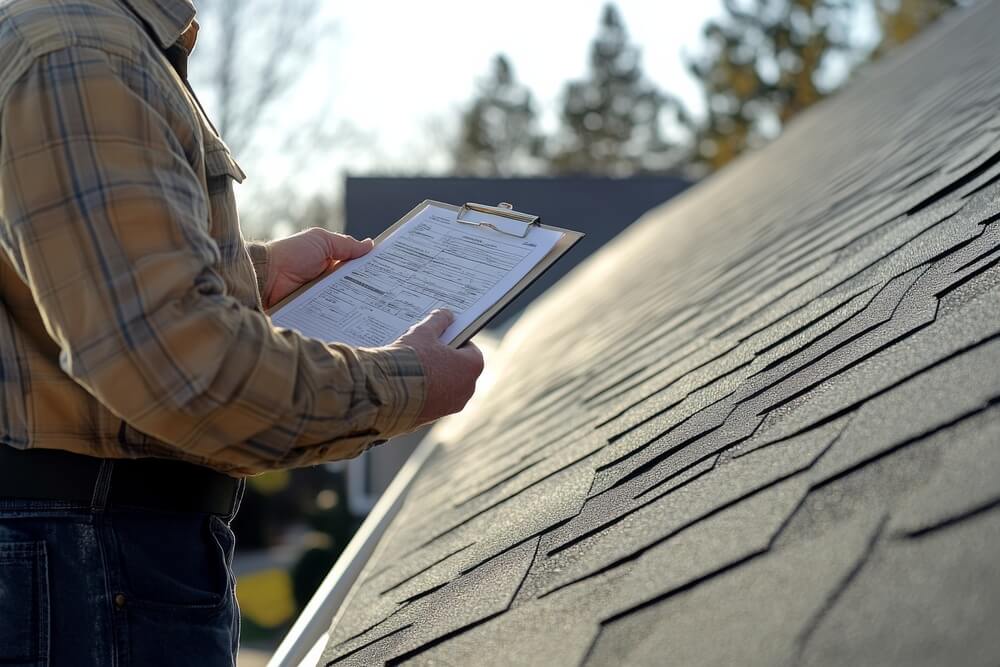
A roof inspection report is a written record of your roof’s current condition, organized by system component and repair priority. For homeowners in Chicagoland and Northwest Indiana, spring is the right time to get one. A single Midwest winter of freeze-thaw cycles, ice dams, and heavy snow can expose vulnerabilities that were invisible just months before.
Key Takeaways
- A residential roof inspection report documents shingle condition, flashing integrity, drainage performance, and attic health.
- Chicagoland homes face accelerated wear from freeze-thaw cycles, making spring roof inspections especially important for catching damage early.
- Findings in a roof inspection report directly guide decisions about roof repair, roof maintenance, or full roof replacement.
- A documented inspection report strengthens weather damage claims and supports insurance conversations with clear, dated evidence.
Key Findings in Roof Reports That Signal Damage and Wear
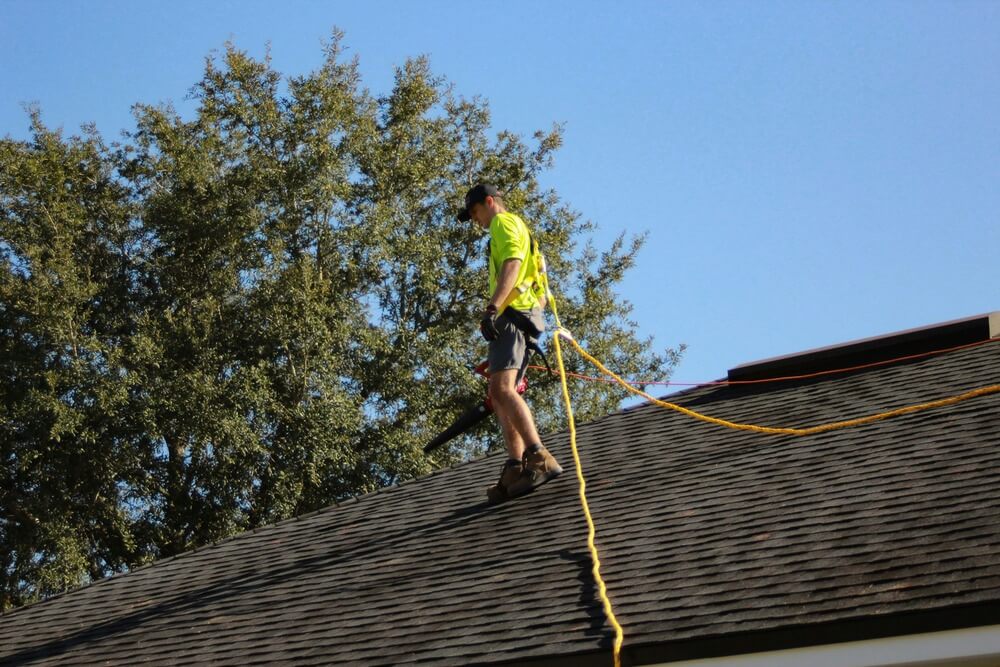
After a Chicagoland winter, a professional roof inspection reveals how your roofing system handled months of snow, ice, and freeze-thaw cycles. Inspectors evaluate shingles, flashing, drainage, and attic ventilation in a single visit to identify damage across all major roofing components.
Each finding is organized by urgency so homeowners can prioritize repairs before spring storms introduce additional stress to already vulnerable roofing areas.
Shingle Deterioration That Points Toward Repair or Replacement
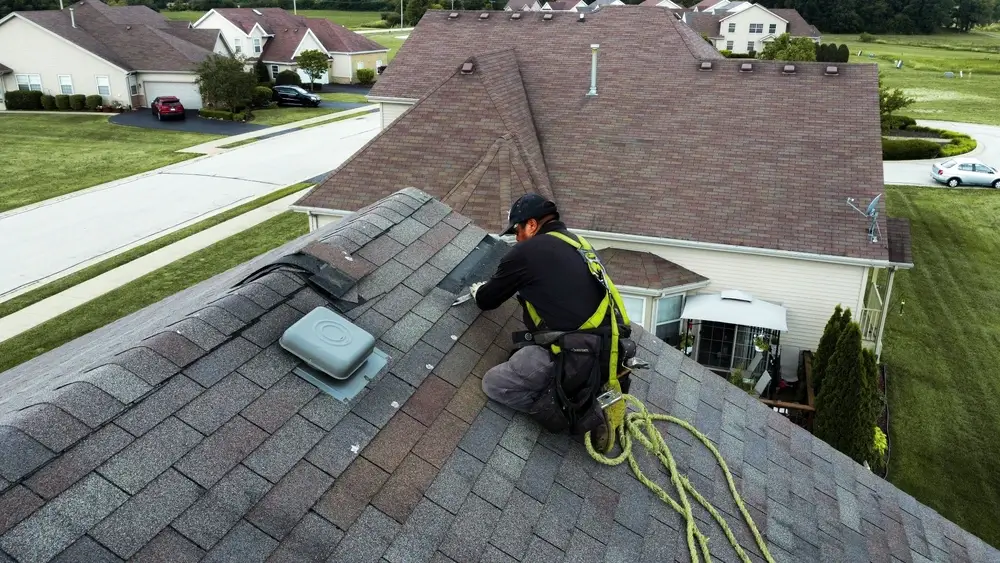
Shingle condition is one of the first elements documented in a roof inspection report because it reflects overall roof surface performance. Inspectors look for granule loss, cracking, curling, and blistering that signal aging materials or damage from repeated freeze-thaw cycles. In Chicagoland homes, winter weather often accelerates widespread shingle wear across multiple roof planes rather than isolated problem areas.
Address isolated damage with targeted roof repair before it spreads into surrounding areas and compromises additional sections of the roofing system. If wear appears across multiple areas, begin planning for a complete re-roofing to avoid ongoing repair costs.
Flashing and Penetration Failures That Allow Water Intrusion
Flashing protects vulnerable roof transitions around chimneys, vents, skylights, and wall intersections where water intrusion is most likely to occur. Inspectors carefully evaluate these areas because even small gaps or separations can allow moisture to enter during heavy rain events. In Northwest Indiana, wind-driven rain during spring storms often exposes flashing weaknesses that developed gradually over the winter season.
Repair flashing issues as soon as they are identified to prevent water from reaching interior structures like insulation, drywall, and framing components. Prompt action helps protect attic insulation and limits repair scope while reducing long-term moisture damage.
Drainage Problems That Compromise the Entire Roofing System
A properly functioning drainage system allows water to move efficiently off the roof without pooling or backing up along edges and valleys. Inspectors evaluate gutters and downspouts to ensure they are clear, properly aligned, and directing water safely away from the structure. In Chicagoland, clogged or damaged gutters frequently lead to fascia rot, roof edge deterioration, and recurring moisture exposure.
Clear debris and repair damaged drainage components before water buildup begins, affecting the roof deck and structural elements beneath the surface. In some cases, upgrading gutter systems may be necessary to improve long-term drainage performance.
Next Steps After a Roof Inspection in Chicagoland Homes
A roof inspection report outlines what needs attention, but taking action on those findings is what protects your home long term. In Chicagoland, spring quickly transitions into storm season with hail, heavy rain, and strong winds that can worsen existing damage.
Acting early allows homeowners to resolve issues before seasonal weather conditions create larger and more expensive roofing problems.
Address Urgent Repairs Before Storm Season Escalates Damage
Urgent findings often include active leaks, structural concerns, or severe storm damage that already compromises the integrity of the roofing system. These issues allow water to enter attic insulation, wall cavities, and interior ceilings, where damage spreads quickly and becomes more costly to repair. Homes in Crown Point and Arlington Heights frequently experience minor issues turning into major interior damage after a single severe storm event.
Schedule roof repair immediately after identifying urgent issues to reduce exposure time and prevent additional structural or interior damage from developing. Quick action also creates a clear documentation trail that supports future insurance claims if needed.
Use the Report to Plan Roof Maintenance or Replacement
Moderate findings often involve aging materials that still perform but show signs of wear that will worsen without planned maintenance. Minor issues typically include cosmetic damage or early-stage deterioration that does not require immediate repair but should not be ignored.
In many Chicagoland homes, these findings support a proactive maintenance plan that extends roof lifespan and delays full replacement.
Use the report to schedule maintenance before small issues become larger problems requiring more extensive and costly repairs. If the roof is nearing its lifespan, begin planning for replacement before the next winter cycle begins.
Document Weather Damage Findings for Insurance Purposes
A roof inspection report provides clear documentation of weather-related damage, including affected areas, severity levels, and supporting photographic evidence. This information helps validate insurance claims by establishing a timeline and connecting damage to specific weather events. In Illinois and Northwest Indiana, insurers increasingly require detailed documentation that includes both damage evidence and maintenance history.
Work with a qualified contractor to review the report before filing a claim so all damage is properly documented and clearly presented. Strong documentation improves claim accuracy and increases the likelihood of a successful outcome.
Turn Roof Inspection Insights Into Action for Your Chicagoland Home
M&M Home Remodeling Services has been helping homeowners across Chicagoland and Northwest Indiana move forward after a roof inspection with clarity and confidence. Since 1976, our team has delivered positive results through quality craftsmanship, reliable materials, and roofing projects completed across the region. The work reflects a steady approach built on experience and results that hold up through Midwest weather conditions.
Schedule your free estimate today and take the next step with a clear plan in place. Whether your report highlights opportunities for roof repair, improved drainage, or siding upgrades, our team walks you through your options with clarity.
Frequently Asked Questions
What should be included in a roof inspection report?
A complete roof inspection report should document shingle condition, flashing integrity, gutter and drainage performance, attic ventilation, and any signs of water intrusion. Each finding should include a location, severity level, and recommended next step.
What does a roof inspection report look like?
A residential roof inspection report typically includes an overview of roof age and materials. It also provides photo-documented findings by component, condition ratings for each system, and a prioritized list of recommended repairs or replacements.
How much does a roof inspection cost in the Chicagoland area?
Professional roof inspections in the Greater Chicago and Northwest Indiana region generally range from $150 to $400, depending on roof size and complexity. Some contractors include the inspection as part of a repair or replacement estimate.
Can a roof inspection report help with a weather damage insurance claim?
A dated, photo-documented roof inspection report is one of the most effective tools for supporting a weather damage insurance claim. It provides clear evidence of damage cause, location, and severity that insurers can review alongside your policy.