Attic insulation plays a major role in maintaining indoor comfort and reducing energy waste throughout the year. Homeowners across Chicagoland, Illinois, and Northwest Indiana often experience temperature fluctuations caused by hot summers, freezing winters, and changing seasonal conditions.
Improving attic insulation helps create a more consistent indoor environment while supporting better overall energy efficiency and reducing unnecessary strain on heating and cooling systems.
Key Takeaways
- Proper attic insulation helps maintain comfortable indoor temperatures throughout every season in Chicagoland and Northwest Indiana.
- Upgraded insulation reduces energy waste by slowing unwanted heat transfer through the attic.
- Identifying insulation issues early helps prevent moisture concerns and uneven indoor temperatures.
- Better attic insulation supports long-term home comfort while improving overall energy efficiency.
How Better Attic Insulation Boosts Comfort Across Chicagoland Seasons
Homes throughout Chicagoland and Northwest Indiana experience demanding weather conditions that place constant pressure on attic insulation. Seasonal temperature swings can expose weaknesses that affect comfort, energy use, and indoor air quality. Understanding how insulation performs throughout the year helps homeowners make informed decisions about improving long-term home performance.
Reduces Summer Heat Transfer
Excessive attic heat often radiates into living areas, making cooling systems work harder during hot Illinois summers. Adding professional attic insulation solutions for Midwest homes slows heat movement through the attic while creating a more stable indoor temperature throughout the house.
This improved thermal barrier helps homeowners stay more comfortable during extended periods of high temperatures in communities such as Arlington Heights and surrounding suburbs.
Scheduling a professional evaluation allows homeowners to identify insulation gaps before another cooling season increases indoor heat and monthly energy costs.
Prevents Winter Heat Loss
Warm indoor air naturally rises, allowing poorly insulated attics to become one of the largest sources of winter heat loss. Improving attic insulation keeps more heated air inside the living space while reducing unnecessary energy consumption during freezing Chicagoland winters. Better insulation also helps rooms maintain more consistent temperatures from floor to ceiling.
Homeowners who notice colder upper floors during winter should consider having attic insulation evaluated before seasonal heating demands continue increasing utility expenses.
Improves Indoor Temperature Consistency
Uneven room temperatures frequently develop when attic insulation no longer performs as intended. Increasing insulation coverage helps minimize hot and cold spots while allowing conditioned air to remain more evenly distributed throughout the home. Families across Northwest Indiana often notice greater day-to-day comfort after improving attic insulation in older properties.
Monitoring rooms that consistently feel warmer or cooler than others provides an early indication that attic insulation may require attention.
Protects the Home From Moisture-Related Problems
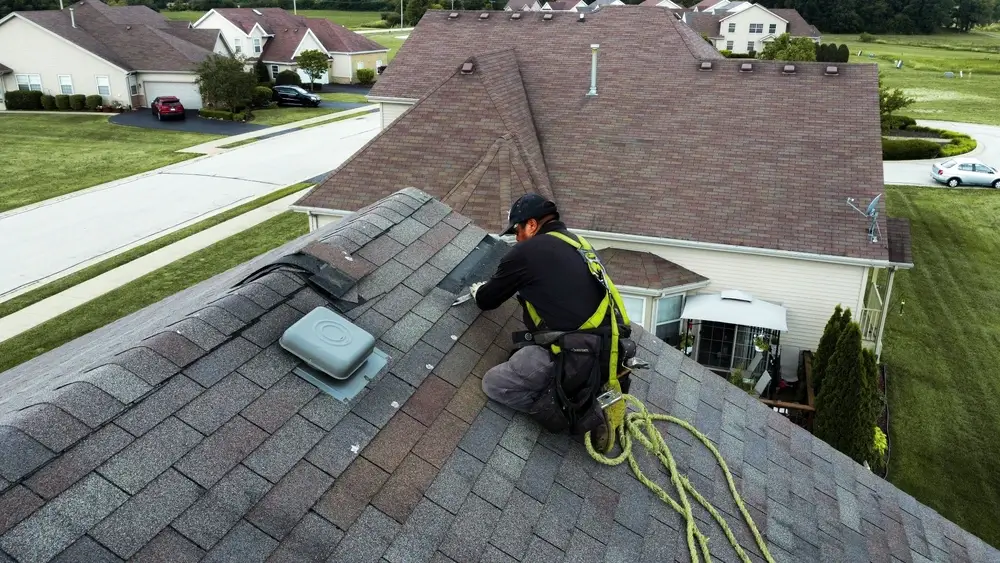
Temperature differences inside the attic can create condensation when insulation is insufficient or unevenly installed. Improving insulation helps regulate attic temperatures while supporting healthier moisture control alongside repairing roofing issues that contribute to heat loss and moisture problems when those conditions are identified during exterior evaluations.
Maintaining balanced attic conditions helps reduce the likelihood of moisture-related damage over time.
Homeowners should address moisture concerns promptly because long-term exposure may affect insulation performance and other building materials.
Supports Better Overall Energy
High energy bills often reflect multiple factors that reduce a home’s thermal efficiency throughout the year. Improving attic insulation works effectively alongside upgrading your roofing system for better overall energy performance, especially when both systems contribute to unwanted heat transfer.
Homes throughout areas such as Crete, Chicagoland, and Northwest Indiana benefit when insulation and roofing function together as part of a complete building envelope.
Reviewing both attic insulation and roofing performance provides homeowners with a clearer understanding of where energy improvements may deliver the greatest long-term value.
When to Upgrade Insulation for Better Home Performance
Attic insulation naturally loses effectiveness as homes age and seasonal weather takes its toll. Recognizing early warning signs allows homeowners across Chicagoland and Northwest Indiana to improve comfort before energy problems become more expensive. These common situations often indicate that an insulation upgrade deserves closer attention.
Rising Energy Bills
Unexpected increases in heating or cooling costs often indicate that attic insulation no longer limits heat transfer effectively. Evaluating insulation performance together with a comprehensive roof inspection to identify energy loss helps determine whether multiple factors are affecting household energy efficiency. This approach provides homeowners with a clearer understanding of where improvements can deliver meaningful savings.
Reviewing utility bills over several seasons makes it easier to recognize gradual changes that may point to declining insulation performance.
Uneven Indoor Temperatures
Some rooms may remain uncomfortable despite consistent heating and cooling throughout the home. Upgrading attic insulation helps reduce temperature differences by creating a stronger barrier against outdoor conditions while improving indoor comfort. Homeowners in communities such as Naperville and Crown Point often notice these issues become more obvious during seasonal weather extremes.
Paying attention to persistent hot or cold rooms helps identify insulation concerns before they affect the entire home.
Aging or Compressed Insulation Materials
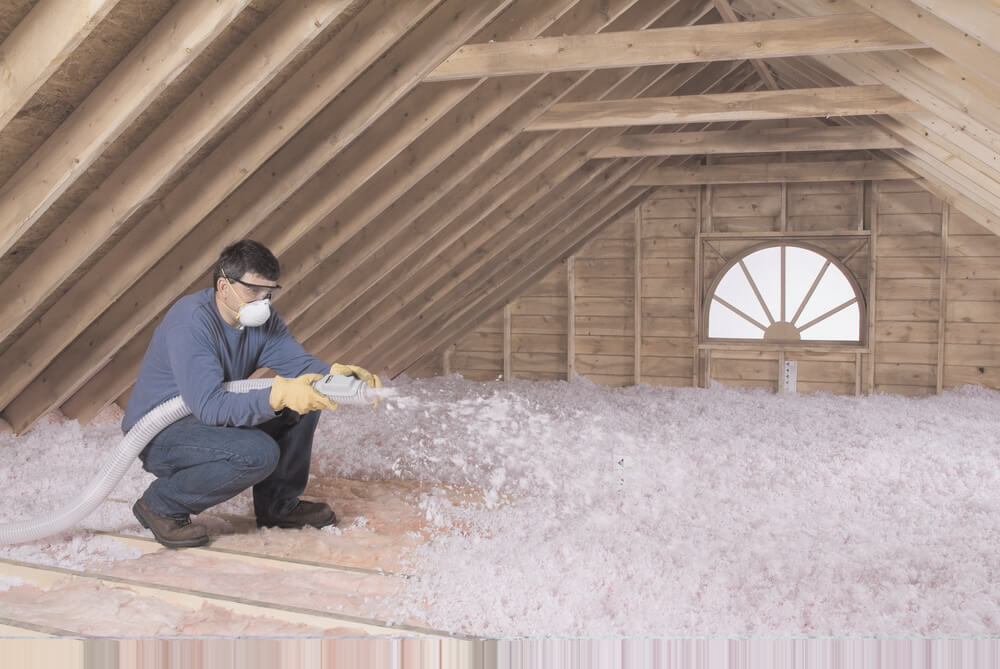
Older insulation can settle, compress, or lose its ability to resist heat flow after years of exposure to changing temperatures. Replacing worn materials restores the attic’s thermal performance while supporting more consistent comfort throughout every season. This improvement also helps heating and cooling systems operate under more balanced conditions.
Inspecting older homes periodically helps determine whether insulation continues meeting modern energy performance expectations.
After Roofing or Major Home Improvements
Home improvement projects sometimes expose attic areas where insulation can be evaluated more thoroughly. Completing insulation upgrades during related exterior work allows homeowners to improve overall thermal performance without disrupting future projects. Coordinating improvements also supports better long-term energy efficiency throughout the home’s building envelope.
Discussing insulation conditions whenever major exterior work is scheduled helps ensure important opportunities are not overlooked.
Moisture or Ventilation Warning Signs
Moisture buildup, musty odors, or visible condensation inside the attic may indicate conditions affecting insulation performance. Improving insulation while addressing ventilation concerns creates a healthier attic environment that better supports year-round comfort and efficiency. Homes throughout Joliet and Northwest Indiana benefit from resolving these issues before they contribute to larger structural concerns.
Scheduling a professional attic evaluation after noticing moisture-related symptoms helps identify the source before damage becomes more extensive.
Keep Your Chicagoland Home Cooler With Smarter Attic Insulation
For nearly 50 years, M&M Home Remodeling Services has helped homeowners across Chicagoland and Northwest Indiana improve their homes with dependable craftsmanship.
Attic insulation performs best when it works with the rest of your home’s building envelope to reduce unnecessary energy loss. Evaluating insulation conditions before comfort problems worsen helps homeowners make informed decisions that support long-term efficiency and indoor comfort.
Request a free estimate to learn how improved attic insulation can support better comfort and energy performance throughout every season. Contact our team to schedule a professional evaluation and discuss the right solution for your home.
Frequently Asked Questions
How long does attic insulation typically last?
Most insulation materials provide many years of effective performance, but settling, moisture exposure, and normal aging can reduce their efficiency. Periodic inspections help determine whether insulation continues performing as intended or should be upgraded.
Will adding attic insulation lower my energy bills?
Improved attic insulation often reduces heating and cooling demands by slowing unwanted heat transfer. Actual savings depend on factors including the home’s condition, insulation levels, air sealing, and local weather throughout the year.
Can attic insulation improve comfort during both summer and winter?
Yes. Proper attic insulation helps limit heat entering the home during summer while reducing heat loss during winter. This creates more stable indoor temperatures regardless of seasonal conditions across Chicagoland and Northwest Indiana.
Should attic insulation be inspected after roof replacement?
Yes. Roof replacement can provide an opportunity to evaluate attic conditions and insulation performance. Inspecting insulation after roofing work helps identify areas where additional improvements may further enhance overall home energy efficiency.