 Skip to content





Severe weather in Illinois and Indiana can strike fast, leaving homeowners scrambling to protect their property. When strong winds, hail, or fallen debris cause roof damage, quick action can prevent costly water intrusion and interior damage.
Emergency tarping after storm damage in Illinois is one of the most effective ways to stabilize your home before permanent repairs are completed.
Key Takeaways
- Emergency tarping provides immediate roof protection from further storm damage.
- Professional roofers ensure proper installation to prevent leaks and structural issues.
- Temporary tarping buys time for inspections and insurance claims.
- Quick response minimizes long-term repair costs and safety risks.
How Emergency Tarping Protects Illinois and Indiana Homes After Storms
When severe weather hits the Midwest, homeowners in Arlington Heights, Crete, and Naperville need reliable ways to protect their property from the elements. Emergency tarping creates an essential barrier between your roof and incoming rain or snow until permanent repairs can be scheduled.
Below are key ways it safeguards homes in Illinois and Indiana from extensive damage and safety hazards.
Preventing Water Intrusion and Interior Damage
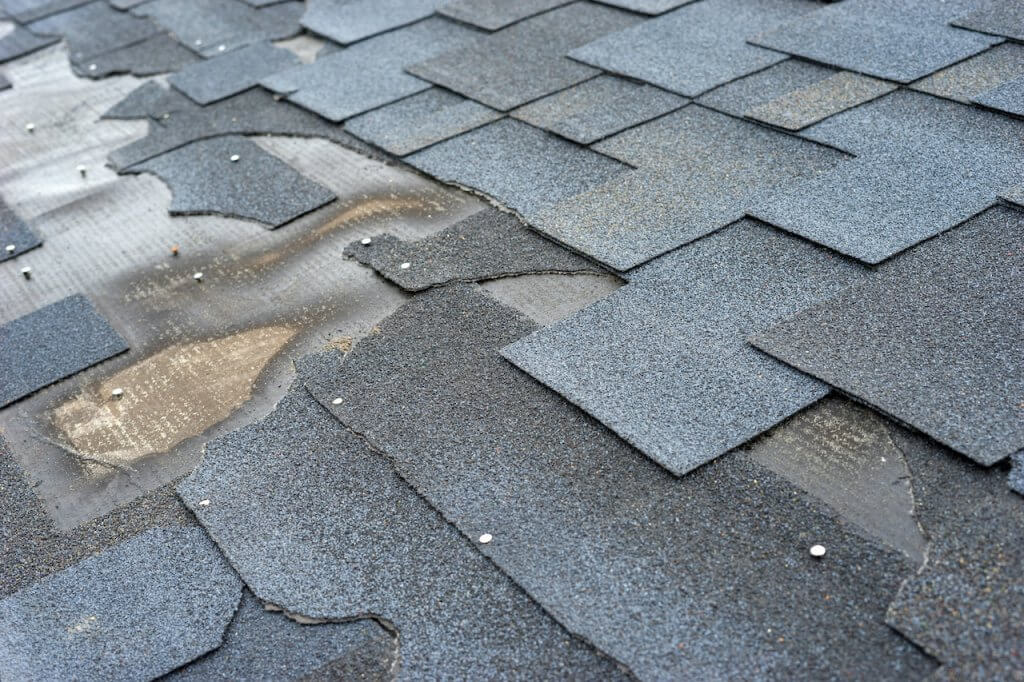
When shingles are torn off during high winds or hail impact, exposed roof decking allows rainwater to enter the attic and walls. A properly installed tarp creates a watertight seal that prevents leaks, mold growth, and structural issues.
A heavy-duty polyethylene tarp offers temporary protection against roof leaks and helps protect your home and personal belongings from further weather damage until professional emergency roof tarping is completed.
This step is critical to avoid health hazards and long-term deterioration common in unprotected storm-damaged roofs.
Reducing Structural Stress and Heat Loss
Without proper coverage, continuous moisture exposure can compromise the structural integrity of your home’s framework. Emergency storm tarping not only secures the damaged area but also prevents additional stress on rafters and underlayment.
In winter, this temporary barrier reduces heat loss and helps preserve energy efficiency while you plan for roofing works or other reworks, such as shingle replacement.
Proper installation and secure fastening prevent the tarp from loosening during severe weather strikes, ensuring peace of mind and immediate protection.
Supporting Insurance Claims and Professional Inspections
After severe storms, insurance companies often require proof that homeowners took reasonable steps to mitigate further damage. Emergency tarping serves as that documentation, showing proactive action while waiting for an expert roof inspection.
Partnering with a certified team ensures that your claim process moves smoothly and that permanent roofing storm damage repair is scheduled promptly.
Professional emergency roof tarping helps demonstrate that emergency protection measures were taken to avoid underlying damage and costly repairs.
Next Steps for Temporary Roof Protection and Permanent Repairs
Once emergency tarping is complete, homeowners can focus on restoring their property with confidence. Knowing what to expect from this process helps you plan the next steps effectively. Temporary protection is just the beginning of a larger, peace-of-mind-driven recovery approach after a severe storm or fallen tree incident.
Scheduling a Professional Assessment
After the storm clears, contact a trusted contractor to conduct a thorough oversight of your roof. This evaluation determines whether you’ll need structural works such as roof replacement, repair, or upgrade. Experienced specialists use this opportunity to identify unseen siding repair needs, ensuring the entire exterior system—roof, gutters, and siding—works together to prevent future leaks and further damage.
Coordinating with Your Insurance Provider
Documentation is key when filing a claim. Homeowners should share inspection reports, photos, and invoices from emergency tarping services to streamline approval. Professional roofing companies familiar with insurance processes can assist with proper submission and follow-up, ensuring you get fair coverage for both temporary and permanent work.
Insurance companies appreciate homeowners who take immediate assistance measures like emergency roof tarping to reduce risks.
Transitioning from Tarping to Lasting Solutions
Once your claim is processed, the focus shifts to completing quality roofing upgrades. Trusted Midwest contractors like M&M Home Remodelling Services use durable roofing materials such as GAF, Owens Corning, and CertainTeed to ensure long-term performance. We also offer additional exterior services—like gutter installation, siding replacement, and attic insulation—to fully restore your home’s protection and energy efficiency.
Properly transitioning from a compromised roof to permanent roof repairs ensures a lasting fix and eliminates future safety hazards.
Get Immediate Protection—Stay Covered Through Every Storm
If your Illinois or Indiana home has recently suffered roof damage from storms or falling debris, quick action can make all the difference. M&M Home Remodeling Services provides reliable emergency tarping to prevent further damage and keep your home secure until permanent repairs are made. Our certified team specializes in fast, professional responses across Chicagoland and Northwest Indiana, protecting vulnerable areas of your home or commercial property.
Schedule your free estimate today by calling (708) 787-8477 to get immediate protection and peace of mind from trusted local experts.
Frequently Asked Questions
How long can a roof tarp safely stay in place?
Most emergency tarps can provide temporary protection for several weeks before permanent roof repairs can be made. A properly installed tarp should be inspected after high winds or heavy rainfall to confirm secure fastening and prevent roof leaks. Professional emergency roof tarping ensures the tarp protects your home until permanent roof replacement can be completed safely.
Will my insurance cover the cost of emergency tarping?
Many insurance companies include coverage for emergency tarping when storm damage occurs on a compromised roof. Submitting proof of professional emergency roof tarping and immediate tarping services demonstrates that you took steps to prevent further damage. This can also help your insurance claims process move faster, ensuring fair compensation for any roof restructuring.
Can I install a tarp on my own?
DIY tarping can be risky, especially on steep roof pitch areas or in high winds. Without safety gear like a safety harness, improper installation or use of roofing nails may lead to injuries or visible holes in the tarp. Hiring professionals ensures correct tarp placement, weather-resistant tarps, and secure fastening for lasting emergency roof protection.
What happens if I delay getting my roof tarped?
Delaying temporary solutions after storms strike can lead to severe water intrusion, interior damage, and mold growth. A damaged roof or missing shingles left exposed increases repair costs and risks to your home’s structural integrity. Professional roofing specialists can provide immediate protection, prevent wind damage, and deliver a permanent fix to restore safety and comfort.