 Skip to content





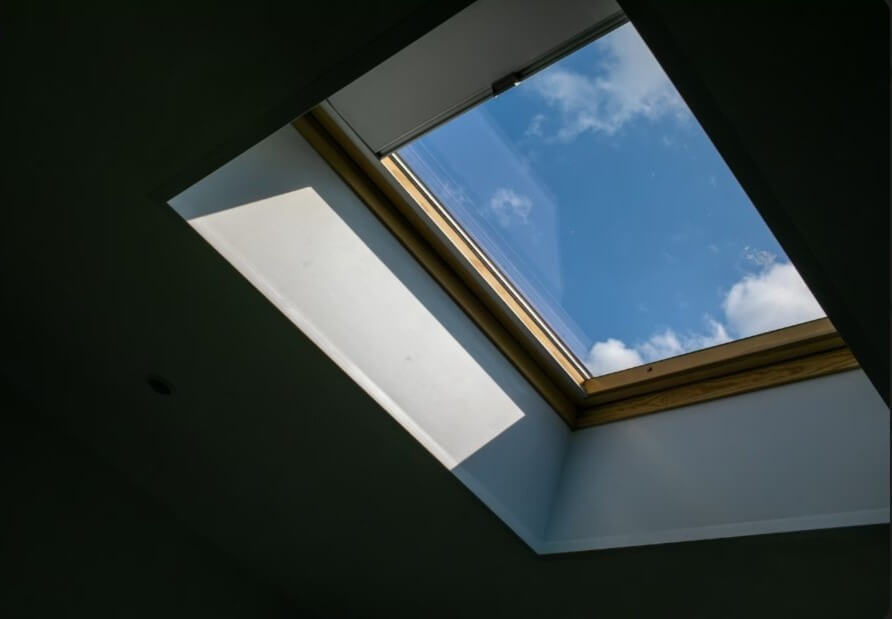
Bringing natural light into a home through a skylight can transform interior spaces, but in the Chicago and Northwest Indiana region, installation technique matters as much as the product itself. Heavy rain, snow loads, freeze-thaw cycles, and high winds place added stress on roof systems. When skylight installation is handled correctly, homeowners gain natural light, improved energy efficiency, and long-term peace of mind. When corners are cut, even tiny gaps can lead to leaks, water stains, moisture buildup, and costly repairs.
From a service perspective, preventing water damage starts with smart planning, climate-aware design, and professional installation practices that account for local weather realities.
Key Takeaways
- Proper skylight installation in Chicago and Northwest Indiana must account for ice dams, heavy rain, and seasonal temperature differences.
- Flashing, roof pitch, and roofing material compatibility play a major role in preventing leaks and structural damage.
- Modern skylights can improve energy efficiency and reduce reliance on artificial lighting when installed correctly.
- Regular inspections and skylight maintenance help catch early signs of moisture before costly repairs are needed.
Skylight Installation Practices Preventing Water Damage Across Chicago and Northwest Indiana Homes
Successful skylight performance depends on how well the installation works with the roof system as a whole. In areas such as Crete, weather conditions demand precise planning and proven installation methods. Each of the practices below reflects what experienced service providers prioritize to reduce the risk of water damage.
Matching Skylight Design to Roof Pitch and Roof Surface
From a service provider standpoint, one of the most common causes of a skylight leak is ignoring roof pitch and roof surface conditions during installation.
In Chicago and Northwest Indiana homes, roof pitch determines how water, melting snow, and debris move across the roof.
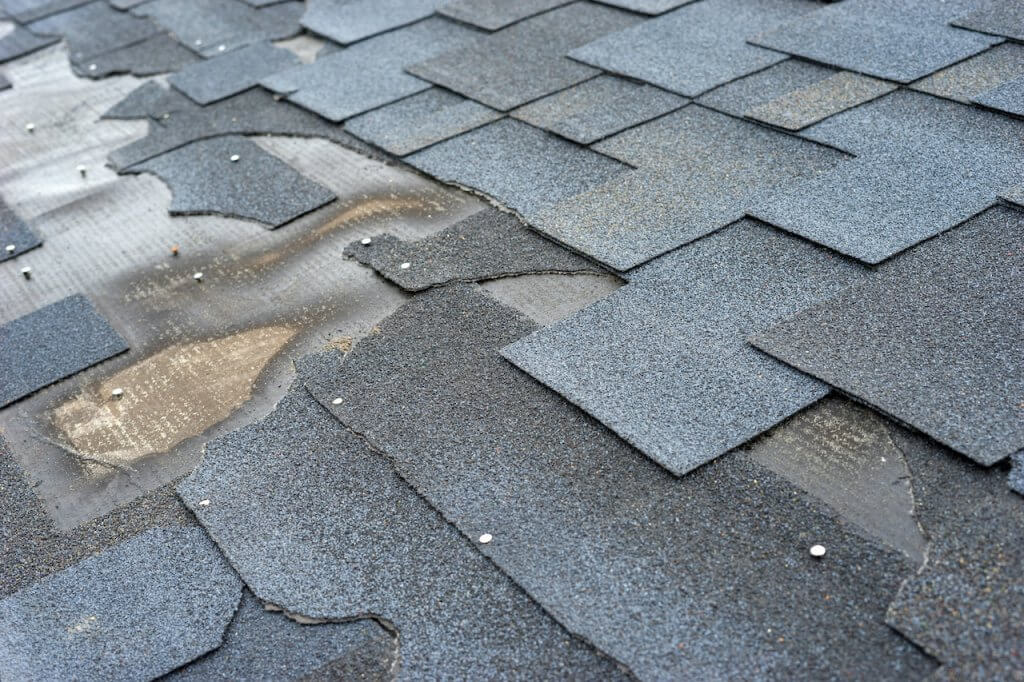
When pitch is not evaluated during a professional roof inspection, skylights are more likely to trap water near flashing, increasing the risk of leaks during storm season and winter months.
Proper Flashing Systems Built for Midwest Weather
Professional skylight installation starts with a complete flashing system designed to direct water away from the skylight opening. In this region, flashing must handle heavy rain, ice dams, and melting snow without allowing moisture to reach the roof deck. Improperly installed skylights often rely on sealants alone, while properly integrated flashing works alongside shingles and durable materials commonly used in metal roofing systems to provide long-term protection.
Integrating Skylights With Existing Roofing Material
Every roofing material reacts differently to temperature changes, UV exposure, and moisture. Asphalt shingles, roof tiles, and metal panels expand and contract throughout the year, especially during colder months.
From experience, skylights must be integrated so that rubber seals, flashing, and surrounding materials move together, reducing the chance of small cracks and roof damage that could eventually require extensive roof repair or early roof replacement.
Managing Condensation and Moisture Buildup From the Inside
Not all skylight-related water damage comes from exterior leaks. In homes across Chicago and Northwest Indiana, condensation caused by temperature differences and inadequate insulation can lead to moisture buildup around skylight glass.
Proper installation includes sealing air gaps, checking insulation levels, and improving ventilation so warm air does not collect near the ceiling and create condensation that mimics a leaking skylight.
What Homeowners Should Know Before Planning a Skylight Installation
Before adding a skylight, homeowners benefit from understanding how design choices, materials, and long-term upkeep affect performance. This planning is especially important in communities such as Naperville, where seasonal weather shifts can expose weaknesses in both roofs and skylights.
Planning helps reduce future issues and ensures the skylight enhances the home rather than creating problems down the road.
Choose Between Fixed Skylights, Vented Skylights, and Sun Tunnels
Homeowners should understand how different skylight options affect moisture control and ventilation. Fixed skylights provide natural light without airflow, while vented skylights and roof windows allow hot air to escape and fresh air to circulate.
Tubular skylights, also known as sun tunnels, use a reflective tube and offer a compact option that limits roof penetration and reduces potential leak points.
Understand Energy Efficiency and Heat Gain Concerns
Modern skylights can improve energy efficiency when the right glass and design features are selected. Laminated glass and energy-efficient coatings help manage solar heat gain while reducing heat loss during winter.
From a professional standpoint, south-facing skylights require careful placement to avoid unwanted heat gain that can increase cooling demand over time.
Recognize Early Signs of Skylight Issues
Water stains on the ceiling, condensation on glass, or visible moisture around the skylight frame are early warning signs that should not be ignored. Addressing these indicators early helps prevent structural damage and limits the likelihood that moisture issues escalate into full roof replacement projects later.
Plan for Long-Term Skylight Maintenance
Skylight maintenance plays a key role in preventing leaks over time. Regular inspections after heavy rain or high winds, keeping gutters clear, and avoiding harsh chemicals when cleaning skylight glass all help extend performance.
Homes in this region see the best results when maintenance is approached with Midwest weather patterns in mind.
Ready to Protect Your Home and Add Natural Light
If you are considering a new skylight or dealing with ongoing skylight issues, working with an experienced local contractor makes a meaningful difference. M&M Home Remodeling Services has served homeowners across Chicago and Northwest Indiana since 1976, delivering remodeling done right with peace of mind built in.
Contact us to schedule a professional inspection and discuss the best solution for your home.
Frequently Asked Questions
Can a skylight really cause roof leaks if installed incorrectly?
Yes, improperly installed skylights are a common source of roof leaks. Issues with flashing, roof pitch alignment, or sealing can allow water to enter during heavy rain or snowmelt. Professional installation focuses on proper drainage and material integration to prevent these problems.
Are modern skylights safe for Chicago and Northwest Indiana winters?
Modern skylights designed with laminated glass and energy-efficient features perform well in winter when installed correctly. Proper insulation, flashing, and ventilation help reduce heat loss, condensation, and ice dam-related issues common during colder months.
How do I know if I need skylight repair or full replacement?
Minor issues such as damaged flashing or worn seals can often be resolved with targeted skylight repair. Persistent leaks, fogged glass, or repeated water damage may signal the need for a new skylight. A professional inspection provides clear guidance based on roof condition and skylight age.
How often should skylights be inspected?
Skylights should be inspected at least once a year and after major storms. Regular inspections help identify small cracks, moisture buildup, or flashing issues early, reducing the risk of costly repairs and long-term structural damage.