 Skip to content





High winds and severe Midwest storms often create invisible roof vulnerabilities that go unnoticed until water intrusion begins. Homeowners across the Chicago suburbs and Northwest Indiana understand how unpredictable gusts and lake-effect weather can expose weaknesses in older roofing systems. When wind uplift loosens shingles or flashing, even small gaps can quickly lead to costly interior damage if not addressed promptly.
This guide explores wind uplift water damage prevention for roofing in Chicago and Northwest Indiana, helping homeowners maintain long-term protection through durable roofing materials, professional inspections, and timely repairs.
Key Takeaways
- Addressing minor roof damage immediately after high winds can prevent major water intrusion later.
- Professional inspections ensure hidden structural or material issues are caught early.
- Using durable, wind-rated materials reduces future storm vulnerability.
- Ongoing maintenance and warranty-backed service deliver peace of mind through every Midwest season.
Steps to Stop Water Intrusion After Wind Uplift
Wind uplift doesn’t always cause immediate leaks—it often starts with subtle damage and material displacement. Acting quickly ensures water never gains access to your home’s underlayment or attic structure.
Below are the essential steps roofing professionals recommend for homeowners across Arlington Heights, Crete, Naperville, and surrounding areas after wind events or when a powerful Illinois storm hits.
Secure Displaced Shingles and Flashing
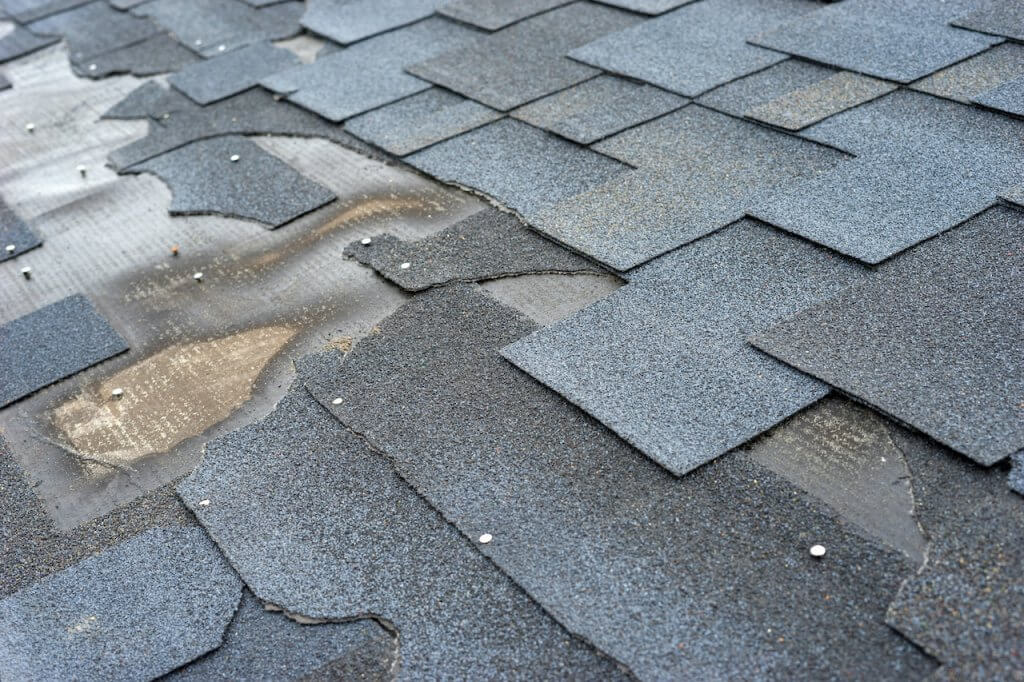
In the Chicago suburbs and Northwest Indiana, fluctuating temperatures and high wind pressure can lift shingles along ridges or eaves. When that happens, the priority is to re-secure loose sections and check the underlying decking for soft spots.
Our roofing experts use manufacturer-approved materials from GAF, Owens Corning, and CertainTeed to restore proper adhesion and ensure your roofing system maintains its designed wind resistance.
This not only reinforces your immediate protection but also helps delay the need for full roof replacement until necessary. Damaged flashing, granule loss, or missing shingles are early warning signs that your home may be vulnerable to future repairs or water intrusion.
Inspect Attic and Insulation for Moisture
After strong winds, hidden moisture can infiltrate through nail penetrations or flashing seams. Checking the attic for damp insulation or discoloration around roof vents is critical.
Our technicians often discover small leaks long before they stain ceilings, walls, or exterior walls. Proper ventilation and high-quality attic insulation can help manage humidity while preventing further condensation damage.
Addressing these issues early ensures your roof assembly performs efficiently year-round, reducing energy efficiency loss and protecting against mold growth or ice dams common in harsh winters.
Reinforce Edge Protection and Gutters
Edge metal and gutter systems are especially vulnerable after wind uplift. Bent or detached flashing can allow rainwater to seep beneath shingles, vents, and siding.
Our crews inspect and secure gutter and edge flashing protection components using durable fasteners that meet Midwest wind codes. In some cases, upgrading to seamless aluminum gutters or adding protective gutter guards improves drainage systems and reduces long-term maintenance.
A fully sealed edge system enhances both function and curb appeal across Chicago area homes, protecting roof edges from further damage and ensuring your home remains watertight through the next storm.
Post Storm Inspection Priorities for Chicago and Northwest Indiana
After any major wind event, proactive inspections are the key to maintaining your home’s structural integrity. Midwest storms often combine high winds with rain, hail, or snow, which can create complex patterns of damage.
A professional roof inspection from a certified roofing contractor ensures no early-stage problem turns into a full-scale repair later.
Schedule a Comprehensive Roof Inspection
Every home should undergo a full roof inspection following strong wind events—even if no visible damage appears. Our certified inspectors evaluate shingle alignment, underlayment integrity, flashing details, and ventilation performance. Identifying issues early allows for targeted roof repair or shingle replacement before moisture compromises and wind damage your roof deck.
For older properties or those with prior storm damage or hail damage, an annual inspection is one of the simplest ways to extend the lifespan of your roofing system. Many homeowners choose our free roof inspection program to stay ahead of subtle damage before it worsens.
Evaluate Exterior Components for Damage
Beyond roofing, high winds can impact siding, soffit, fascia, and entry doors. M&M Home Remodeling Services assesses every exterior surface for cracks, lifting, or gaps that could invite future leaks. Addressing loose siding panels or weather-stripped doors promptly helps maintain your home’s envelope and prevent interior damage.
For homes with aging windows, a thorough window replacement evaluation may be recommended to improve energy efficiency and weather protection before the next storm cycle. Acting quickly helps prevent further damage, even when issues seem minor.
Plan Preventive Maintenance and Upgrades
Storm recovery is the perfect time to reinforce your home’s long-term defense. Whether applying protective roof coating, performing routine roof maintenance, or scheduling seasonal snow removal, consistent upkeep keeps your investment safe.
Our team also supports multi-family and commercial roofing systems with durable solutions designed for Chicago’s freeze-thaw cycles.
By integrating preventive maintenance, homeowners reduce the risk of costly repairs, safeguard their insurance claim standing, and ensure written estimates remain accurate.
Act Now to Prevent Further Damage to Your Roof and Home
Protecting your home after wind uplift starts with trusted expertise and a responsive team. M&M Home Remodeling Services has been serving homeowners across Chicago and Northwest Indiana since 1976, offering certified inspections, precision repair, and lasting peace of mind. If you’ve noticed lifted shingles, gutter displacement, or interior moisture, it’s time to act before the next storm arrives.
Request your free estimate today or contact our Chicago and Northwest Indiana team at (866) 891-6857 to schedule a detailed roof inspection or repair.
Our certified specialists provide prompt, reliable service designed to keep your home protected, prevent further damage, and ensure your roof is ready for the next storm season.
Frequently Asked Questions
What is wind uplift, and how does it cause water intrusion?
Wind uplift occurs when strong gusts create pressure differences that lift asphalt shingles or other roofing materials. Once gaps form, water can penetrate underlayment layers, leading to leaks that trap water and cause hidden damage. Acting quickly after high winds ensures Chicago homes aren’t left vulnerable to further damage or storm exposure.
When should I schedule a roof inspection after a storm?
Homeowners should schedule a roof inspection within 48 hours after wind or rain events to identify any missing shingles or minor issues. A professional inspection helps verify any storm damage or insurance claim needs. Early detection prevents a damaged roof from worsening and protects against leaks that might require a full replacement later.
Can new roofing materials prevent future wind uplift in the next storm?
Yes. Using wind-rated roofing materials and improved roof edges offers stronger adhesion during severe weather. Quality installation and lasting repair methods keep the roofing system secure even as roof age increases, helping with targeted roof repair and reducing the chance of needing a full roof replacement after repeated Illinois storms.
How do I know if my attic has been affected by wind-driven rain?
Check for damp insulation, musty odors, or water intrusion signs around chimneys and vents. Moisture buildup can trap water in hidden areas, leading to mold growth and reduced energy efficiency. A professional inspection can confirm whether your attic insulation or damaged roof requires service before the next storm season.