 Skip to content




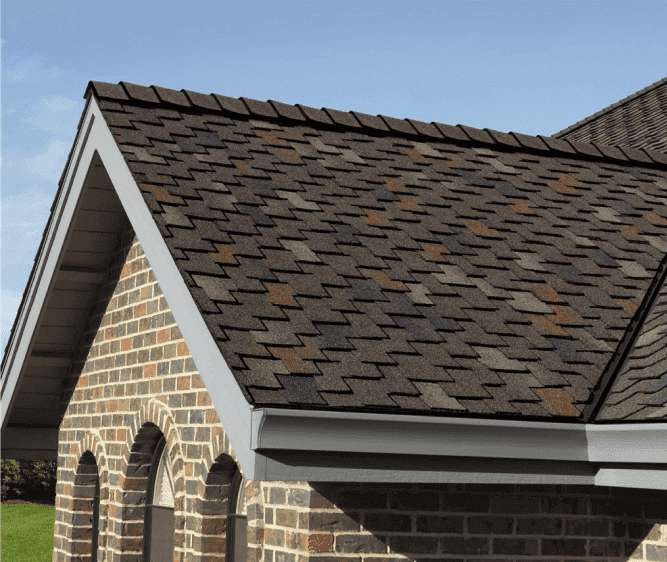
Humidity is one of the most underestimated factors affecting roof durability across the Chicago suburbs and Northwest Indiana. Between sticky summer air, heavy rain, and damp transitional seasons, moisture in the atmosphere can quietly wear down even the best roofing systems.
Understanding how humidity interacts with roofing materials helps homeowners make smarter decisions about upkeep and roof maintenance, ensuring long-term protection and comfort year-round in Chicago’s climate.
Key Takeaways
- High humidity accelerates wear and tear on shingles and decking.
- Proper ventilation reduces trapped moisture and mold growth.
- Seasonal inspections are critical for Midwest roof performance.
- Choosing materials suited to humid climates extends roof life.
How Humidity Shortens Roof Lifespan in Chicago Area Homes
Warm, humid air can undermine the strength and integrity of a roof over time. In the Chicago suburbs and Northwest Indiana, daily temperature swings, humid summers, and heavy rain create ideal conditions for moisture buildup and mildew growth.
This section explores the key ways humidity contributes to early roof deterioration and what homeowners can do to minimize costly repairs before structural damage occurs.
Moisture Absorption and Shingle Deterioration
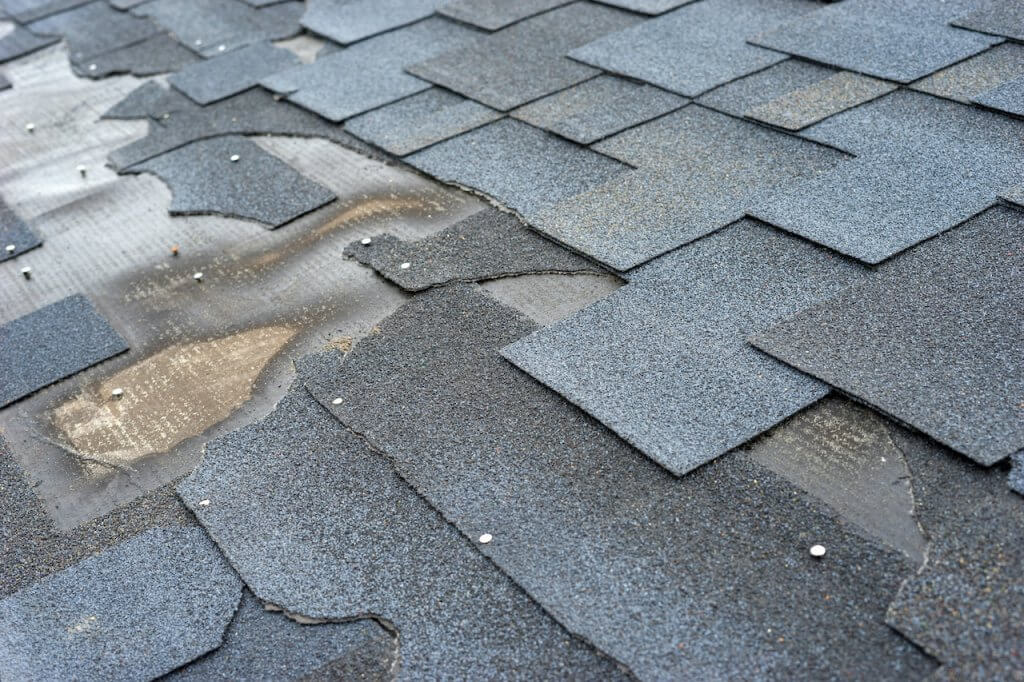
When humidity levels stay high for long periods, roofing materials—especially asphalt shingles—can absorb and retain moisture. Over time, this weakens the adhesive bonds that secure shingle granules and accelerates curling or cracking. In Chicagoland neighborhoods like Naperville and Orland Park, where muggy summer nights are common, trapped moisture can cause premature shingle deterioration and require earlier shingle replacement.
Working with a professional roofer ensures issues like missing shingles, moisture intrusion, or hidden water damage are detected early and handled before major damage or expensive repairs arise.
Trapped Condensation in Attics and Roof Decks
The attic plays a critical role in protecting the roof structure from humidity damage. When warm indoor air meets cooler surfaces and temperatures drop, condensation forms beneath the roof decking. This hidden moisture seeps into insulation and wood, leading to mold growth, mildew, and energy loss from poor insulation.
In homes across Crown Point and the southern Chicago suburbs, inadequate roof ventilation often traps rising humid air. Homeowners who invest in attic insulation and proper attic ventilation improve airflow and prevent moisture buildup, ensuring cooler surfaces and reduced energy costs year-round.
Accelerated Mold and Algae Growth
Persistent humidity provides the perfect environment for mold, mildew, and algae on roofing surfaces. Black streaks on shingles or a musty odor in the attic are often early signs of roof humidity damage.
Beyond appearance, microbial growth can weaken shingles and cause the roof to deteriorate faster. Professional roof inspections after major storms or during seasonal transitions help identify these issues early and determine if cleaning or immediate repairs are needed to protect your home.
Maintenance Steps to Protect Roofs Through Humid Midwest Summers
While humidity can’t be eliminated, homeowners can take proactive steps to defend their roofs against its effects. With proper maintenance and oversight from an experienced team, it’s possible to extend a roof’s lifespan and preserve structural strength through the region’s freeze-thaw cycles, hot summers, and freezing winters.
The following strategies are tailored for the unique weather challenges of the Chicago suburbs and Northwest Indiana.
Improve Roof Ventilation and Moisture Control
Proper roof ventilation is one of the best defenses against humidity-related issues. Balanced airflow between soffit and ridge vents allows warm, moist air to escape, preventing heat buildup and mildew growth.
For older homes in areas like Arlington Heights or Crete, adding or upgrading a roof ventilation system can reduce attic condensation and improve energy efficiency. Pairing ventilation improvements with excellent attic insulation creates roof ventilation, keeping the attic dry while reducing future expenses from moisture damage.
Schedule Seasonal Roof Inspections and Repairs
Humidity-related issues often develop silently, making regular inspections essential for maintaining your roof’s lifespan. A professional roofer can identify small leaks, clogged gutters, or ventilation blockages that may lead to costly repairs.
Routine roof maintenance or minor repairs, or replacing damaged asphalt shingles at the right time, prevents expensive structural damage while enhancing the roof’s ability to withstand hail, heavy snow, and high winds.
Choose Roofing Materials Designed for Midwest Humidity
Not all roofing options perform equally in the Midwest’s humid environment. Homeowners benefit from selecting impact-resistant shingles, metal roofing, or composite systems like DaVinci, Brava, or Ecostar that handle moisture and severe weather effectively. Slate roofs and other metal material systems can also withstand hail, hot summers, and heavy snow when properly installed.
Asphalt shingles from GAF, Owens Corning, or CertainTeed remain reliable when combined with professional-grade underlayment and proper installation. The right roofing materials protect your home and maintain aesthetic appeal through Chicago’s ever-changing weather.
Take the First Step Toward a Longer-Lasting Roof
If you’re noticing curling shingles, black streaks, or rising energy costs from poor attic performance, it may be time for professional attention. M&M Home Remodeling Services offers complete roof replacement and repair, and moisture-control solutions built to last through humid summers and freezing winters in Chicagoland and Northwest Indiana.
Contact our skilled team today for a free estimate.
From proper installation to roof inspections and long-term roof maintenance, our experienced professionals deliver reliable service, ensuring your home stays protected year-round. Get expert guidance from a trusted Midwest contractor committed to customer satisfaction and quality craftsmanship since 1976.
Frequently Asked Questions
How does moisture buildup roof shingles in Chicagoland?
Humidity causes moisture buildup in asphalt shingles, softening adhesives and promoting granule loss that shortens lifespan. Proper roof ventilation and routine maintenance can prevent premature shingle deterioration and reduce energy costs. Addressing these issues early also helps avoid costly repairs and protects your home from moisture intrusion.
What are the signs of roof humidity damage in Northwest Indiana?
Look for curling shingles, roof leaks, dark streaks, or musty odors in the attic as clear signs of humidity-related damage. These issues often stem from inadequate roof ventilation or clogged gutters that trap moisture. Regular inspections help detect problems early before they escalate into major damage or expensive repairs.
Does metal roofing perform best in humid Midwest climates?
Asphalt shingles, composite systems, and metal roofing all perform well when properly installed by a professional roofer. Homeowners in the Second City and surrounding areas often prefer impact-resistant shingles for their ability to handle major storms and high winds. Choosing materials engineered for the Midwest’s humid summers and freeze-thaw cycles ensures long-term durability and aesthetic appeal.
Can attic insulation reduce humidity-related roof issues like mold growth?
Yes. Quality (attic insulation) combined with proper attic ventilation prevents moisture intrusion, mildew growth, and heat buildup that shortens a roof’s lifespan. Improved energy efficiency helps regulate indoor temperatures during hot summers and freezing winters, saving homeowners from higher costs and future expenses.